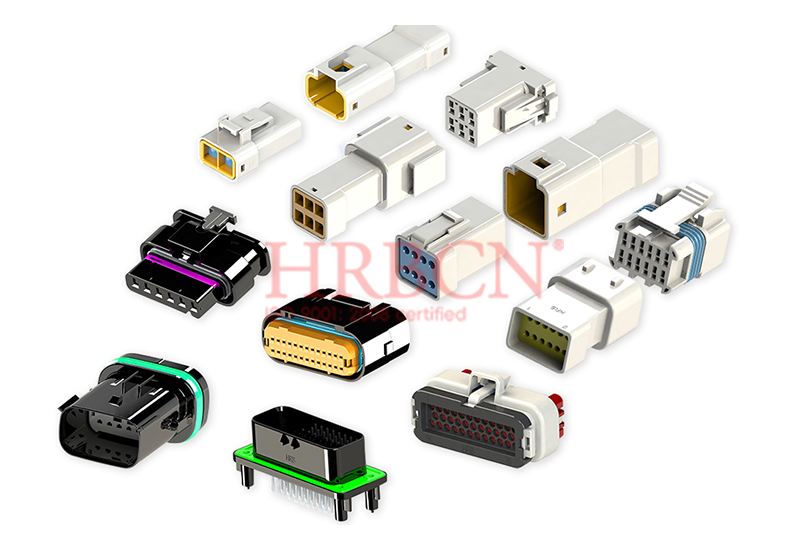
Have you ever wondered what materials are inside electrical parts? These parts need connections that work well. The global market for electrical connectors was worth over $74 billion in 2022, and it keeps growing by about 7.4% each year. But what materials are used? The choice of connector materials directly affects how well they conduct electricity, how long they last, how much they cost, and how they perform overall. In this post, we take a close look at the most common materials: plastic, brass, copper alloy, and gold plating. Each material plays a key role in making sure connections are reliable and long-lasting. By the end, you will have a simple guide for picking the right materials for your own electrical parts with confidence.
Key Takeaways
Use brass when you need a cheap, lasting connection. Pick copper alloys for parts that move a lot or face strong shaking.
Plastic housings keep the contacts safe and stop electricity from leaking. Use materials like PBT for high heat and chemical resistance.
Gold plating helps parts work reliably when they carry small electric currents and are used many times. Adding a nickel layer underneath makes them last even longer.
Pick connector materials based on what you need: think about electrical load, environment, mechanical stress, and cost.
Choosing the right material helps connectors last longer and avoids breakdowns; ask experts for the best option.
Key Connector Materials: Base Metals
Base metals are the core of every electrical connector. They carry the current and give strong support to keep connections tight. You need materials that have steady contact points, handle shaking, carry lots of electricity, and fight rust. The right base metal decides if your connector gives steady signals or breaks under pressure.
Brass: The Cost-Effective Workhorse
Brass is a mix of copper and zinc in different amounts. This alloy finds a good balance between how well it conducts electricity and how strong it is. Traditional leaded brass, like CuZn35Pb2, has 1–3% lead by weight to make it easier to shape. This mix allows cheap production of complex connector shapes. But lead lowers conductivity to 12–15% IACS, much less than pure copper's 100% IACS.
You can find brass in terminals and contacts in many uses. Hydraulic systems, pneumatic equipment, instruments, and plumbing all depend on brass fittings. Electronics, electrical engineering, cars, industrial machines, and renewable energy systems also use brass a lot. Most brass fittings can handle temperatures from -325°F to 400°F and pressures up to 3000 psi.
Brass has good electrical properties but low yield strength. This means brass is not great for contacts that need many plug-in cycles. The metal's moderate tensile strength of 360 MPa works well when the connector stays connected for a long time. Some manufacturers use brass for contacts in their IP67 waterproof connectors. Here, the material's balance of performance and cost is useful. For these connectors, brass gives steady conductivity while keeping the product cheap for cars and industry.
Copper Alloys: Beryllium Copper and Phosphor Bronze
When uses need better spring properties and better resistance to wear from repeated bending, copper alloys become important. Beryllium copper and phosphor bronze are the two main choices for high-reliability connectors.
Beryllium copper gives a great mix of strength and conductivity. With tensile strength up to 1280–1480 MPa and conductivity between 45–63% IACS, this alloy is much better than brass. Its contact force changes only ±8% when temperature changes, showing very good stability. You can find beryllium copper in aerospace connectors, medical devices, precision tools, and high-cycle test equipment. The material's resistance to rust extends its life in wet and industrial places. But beryllium copper is quite expensive, and rules about beryllium being toxic make it harder to use.
Phosphor bronze is a cheap alternative with good ability to shape. Its tensile strength ranges from 324–965 MPa, with conductivity around 15% IACS. Though not as strong as beryllium copper, phosphor bronze does well in certain conditions. The material shows very good resistance to wear from repeated bending and stress relaxation in corrosive places. Its contact force changes by ±15% when temperature changes, which is okay for many uses.
You can find phosphor bronze in car wiring harnesses, industrial connectors, home appliances, and power control systems. The material works well for larger contact systems where very high spring performance is not needed. For high-reliability uses, beryllium copper is still the top choice if budget permits. Phosphor bronze is a very durable option for uses where cost matters more than top performance.
Both copper alloys show why choosing the right material matters. Your choice between brass, beryllium copper, and phosphor bronze depends on what you need for conductivity, strength, number of cycles, and cost. Understanding these trade-offs helps you pick the right base metal for your electrical parts.
Plastics in Electrical Connectors
The Role of Plastic Housings
Plastic housings do more than just cover the metallic parts inside a connector. They serve as the insulator and structural support for the entire assembly. The housing protects the contacts from physical damage, dust, and moisture. It also provides polarization, which ensures you connect the plug and receptacle in the correct orientation. This prevents mismatched connections that could damage your equipment. Alignment guides inside the housing keep the contacts precisely positioned. This maintains steady contact pressure and reliable signal transmission.
The housing also secures the terminals in place. It prevents short circuits and signal loss by isolating each contact path. Some manufacturers use robust housing materials in their wire-to-wire and wire-to-board connectors. These housings offer design flexibility, allowing complex shapes that integrate multiple features into one part. The low weight of plastic reduces the overall system mass. This makes installation and handling easier, especially in automotive and industrial applications. Plastic housings also provide inherent corrosion resistance. You do not need additional surface treatments to protect against rust. This is a real advantage over metals in humid or chemical environments. The manufacturing process is cost-effective for high-volume production. Dimensional stability keeps the mechanical fit and alignment steady across the operating temperature range.
Key Properties: Insulation and Environmental Resistance
The insulation properties of the plastic material determine how well the connector prevents current leakage. Different plastics offer different levels of thermal resistance. For example, reinforced PBT plastics offer high thermal resistance suitable for electrical components that generate heat. Heat Distortion Temperature (HDT) measures short-term stiffness under heat. Flammability is another critical property. The UL94V-0 rating is the standard for automotive under-hood connectors. These parts face heat and fuel exposure. A UL94V-0 rated material stops burning quickly after the flame is removed and does not drip flaming particles. Materials like PA and PPS commonly meet this rating.
Chemical resistance affects long-term survival in industrial environments. The chemical composition of the housing determines its resistance to oils, solvents, coolants, and detergents. Nylon and PBT are preferred in industrial control panels due to their excellent dielectric properties. However, untreated plastics in outdoor installations suffer from UV degradation. This leads to surface cracking and loss of structural integrity. High IP ratings alone do not guarantee chemical resistance. You must verify the specific polymer's compatibility with the chemicals present in your application. Rubber and silicone offer flexibility and sealing capabilities for harsh environments. The protection offered by the housing material directly affects the reliability of your electrical components. Materials like PA, PBT, and PPS each offer different balances of thermal resistance, flammability rating, and chemical resistance. Your choice depends on the specific demands of your electrical components. Selecting the right plastic ensures your electrical components function reliably in their intended environment.
Plating for Enhanced Connector Performance
Plating adds a thin metallic layer to connector contacts. This layer improves electrical conductivity, boosts corrosion resistance, and provides protection from wear and tear. Without plating, base metals would oxidize quickly and fail. The right plating extends the life of your electrical components significantly. Many electrical components depend on proper plating for reliable operation.
Gold Plating: The Gold Standard for Reliability
Gold plating stands as the top choice for low-current, high-reliability applications. Copper conducts electricity better than gold, but copper oxidizes when exposed to air. Gold resists oxidation completely. This makes gold highly resistant to oxidation, so your signal stays clean over time. Gold also resists corrosion in harsh environments, making it highly resistant to corrosion.
Gold's smooth surface reduces contact resistance. This ensures strong electrical current flows through the connection. For connectors that face frequent mating cycles, gold plating delivers consistent performance. The metal retains its electrical conductivity even at high temperatures. Its thermal conductivity helps dissipate heat in demanding settings.
The main drawback is cost. Gold costs far more than nickel or tin. However, electroplating a thin layer onto cheaper metals like copper or aluminum gives you gold's benefits without the full expense. This electroplating method applies precious metals efficiently. Electroplating precious metals onto base metals is a standard industry practice. Some manufacturers offer gold plating options on their wire-to-board connectors. This choice suits applications needing long-term stability, such as aerospace or medical equipment.
Plating thickness matters. A thin gold layer works for low-cycle, single-mating applications. A thicker layer provides longer cycle life and better porosity resistance. For high-wear areas, target an adequate thickness of electroplating. Use a nickel barrier layer of sufficient thickness underneath. This combination prevents corrosion and maintains performance over many mating cycles. Proper electroplating ensures uniform coverage across the contact surface. Consistent electroplating thickness prevents weak spots that lead to early failure.
Alternative Platings: Tin, Silver, and Nickel
Tin plating offers a cost-effective solution for many applications. Tin has lower conductivity than nickel. Still, tin works well for static connections and high-power lines. High voltage breaks through the oxide layer that forms on tin. Some manufacturers use tin-plated contacts for durability and cost-efficiency. These connectors handle harsh environments without breaking your budget. Electroplating tin onto brass contacts provides a protective layer that resists wear.
Silver provides the best conductivity among plating metals. Silver conducts more electricity than copper. However, silver corrodes outdoors and costs more than nickel. Use silver only in controlled indoor environments. Electroplating silver requires careful process control to achieve consistent results.
Nickel delivers excellent corrosion resistance and durability. With better conductivity than tin, nickel performs well in high-wear and high-temperature settings. Many manufacturers use nickel as an undercoat beneath gold or tin plating. This layered approach combines the strengths of both metals. Electroplating nickel as a barrier layer prevents migration between the base metal and the top plating.
The choice of electrical contact plating depends on your specific needs. For high mating cycles, choose gold. For static connections with few cycles, tin works fine. For vibration-heavy environments like automotive sensors, gold over nickel provides the best protection. Understanding these trade-offs helps you select the right plating for your electrical components. Each electroplating option offers distinct advantages for different scenarios. Your electrical components will perform better when you match the plating to the application.
Choosing the Right Electrical Connector Materials
Matching Materials to Application Needs
You now know the basic parts. The next step is picking the right materials for your needs. Start with a clear checklist. First, figure out your electrical needs. Check the voltage and current your system requires. Remember that multi-contact setups need derating. A 50A contact pair drops to 38A in a 5-core setup. This heat factor affects your base metal choice.
Next, look at the environment. Decide the IP rating you need. Outdoor setups usually need IP67 or higher. Temperature range matters too. Cars often need parts that work from -40°C to +125°C. Think about moisture, salt spray, and chemical exposure. These factors affect your housing resin and seal material choices.
The table below shows how different materials handle these pressures:
Material Category | Example Materials | Environmental Response |
|---|
Housing Resin | PA (Nylon) | Strong resistance to oils/greases/fuels; good thermal stability |
Housing Resin | PBT | Low moisture uptake; stable size; good chemical resistance |
Housing Resin | PPS | Great heat resistance; strong chemical resistance |
Seal Material | Silicone Rubber | Flexibility and sealing capabilities |
Seal Material | EPDM Rubber | Sealing capabilities |
Contact Alloy | Phosphor Bronze | Good fatigue resistance in corrosive environments |
Contact Alloy | Beryllium Copper | Excellent elastic recovery; holds contact force well |
Contact Plating | Gold | Corrosion resistance; steady performance |
Contact Plating | Tin | Low cost; easy to solder |
Mechanical limits come next. Set the number of mating cycles and insertion forces. Vibration levels decide your locking mechanism. For fast data, focus on controlled impedance and EMI shielding. For power uses, aim for low contact resistance and proper plating.
Finally, balance cost and performance. Weigh material choices against what you need. Shielding and sealing features often separate cheap from premium options. This step-by-step method helps you pick the right connector materials every time.
Connector Materials in Real-World Applications
Some manufacturers show these ideas across their product lines. Their IDC connectors for telecom use Nylon 66 housings. This material gives UL94 V-0 flame retardancy and tough mechanics. Brass or phosphor bronze contacts provide conductivity and strength. Tin or gold plating options balance cost against corrosion resistance. These connectors meet UL & cUL certification and follow RoHS and REACH standards.
For car waterproof connectors, material science drives IP67 performance. PBT housings handle temperatures above 85°C and regular chemical contact. This material keeps its size over time. Car-grade crimps and proper plating resist corrosion, vibration, and temperature extremes. The housing material, contact plating, and sealing methods work together to keep a watertight seal.
Wire-to-board connectors for consumer electronics use gold plating options for better performance. This choice fits uses that need long-term stability. The electroplating process puts a thin gold layer over nickel undercoat. This mix stops corrosion and maintains performance over many mating cycles.
The choice always depends on operating temperature and chemical exposure. PBT fits environments above 85°C or with regular chemical contact. Nylon 66 works for normal room conditions. This shows how material science is used to match product lines to specific environmental needs.
Copper and gold stay vital for conductivity, but their price swings affect production costs. Makers must balance quality and cost-effectiveness. Cheaper options may hurt performance and reliability. Heavy-duty connectors need special materials and tough testing, which raises costs. Price competition pushes makers to balance performance and cost-effectiveness.
Your electrical parts deserve careful material selection. Follow the checklist, check your environment, and match materials to your needs. This method ensures steady performance and long life. The right connector materials give you good compatibility across your whole system. When you use these ideas, you get connections that work for many uses and last a long time.
Each material has a specific job. Base metals carry electricity. Plastics provide insulation and protection. Plating improves the surface. No single material works best for every connector. Your choice depends on electrical, mechanical, and cost factors. New trends, like better alloys and using aluminum instead of copper, lead to lighter and more efficient designs. These new materials offer better resistance to rust and good properties for tough environments. Electroplating methods also get better, making contacts more reliable. Advanced electroplating and new plating techniques protect electrical parts for longer. Eco-friendly materials and recycled metals reduce harm to the environment. Look at what your application needs. Think about your electrical parts’ needs for conductivity, strength, and cost. Reliable connectors come from picking the right materials. Working with a skilled manufacturer makes the choice easier. Their know-how gives you a reliable, cost-effective solution for your electrical connectors. Check out their product range or ask their team for expert advice.
FAQ
How do I pick between brass and copper alloy contacts?
First, think about how many times you will plug and unplug it. Brass works well for permanent connections with few mating cycles. Beryllium copper can handle thousands of times without losing its spring. For places with lots of shaking, choose copper alloys. For low-cost connections that stay still, brass is a good choice.
When is gold plating worth the extra money?
Gold plating is worth it when you need your part to work well for a long time. Choose gold for low-power signals, many plugging cycles, or areas that cause rust. Tin plating is fine for connections with few mating cycles. Silver works indoors in controlled places. Your work environment should guide your choice.
What plastic housing material should I pick?
Match the housing to your temperature and chemical needs. PBT handles higher temperatures and resists chemicals well. Nylon 66 works for normal room conditions. For tough factory settings, PPS gives better heat and chemical resistance. Always check the UL94V-0 fire rating for safety.
Does plating thickness matter for how well it works?
Yes, thickness directly affects how long it lasts. A thin gold layer works for connections that are plugged once. A thicker layer greatly increases how many times it can be used. Use a nickel barrier layer of sufficient thickness under gold. Good electroplating gives even coverage and stops weak spots that cause early failure.
How does contact plating affect electrical parts?
Contact plating decides how long your electrical parts keep clear signals. Gold fully resists oxidation, so resistance stays steady over time. Tin forms an oxide layer that high voltage can break through. Nickel gives great rust resistance as an undercoat. Your plating choice directly affects long-term reliability.


