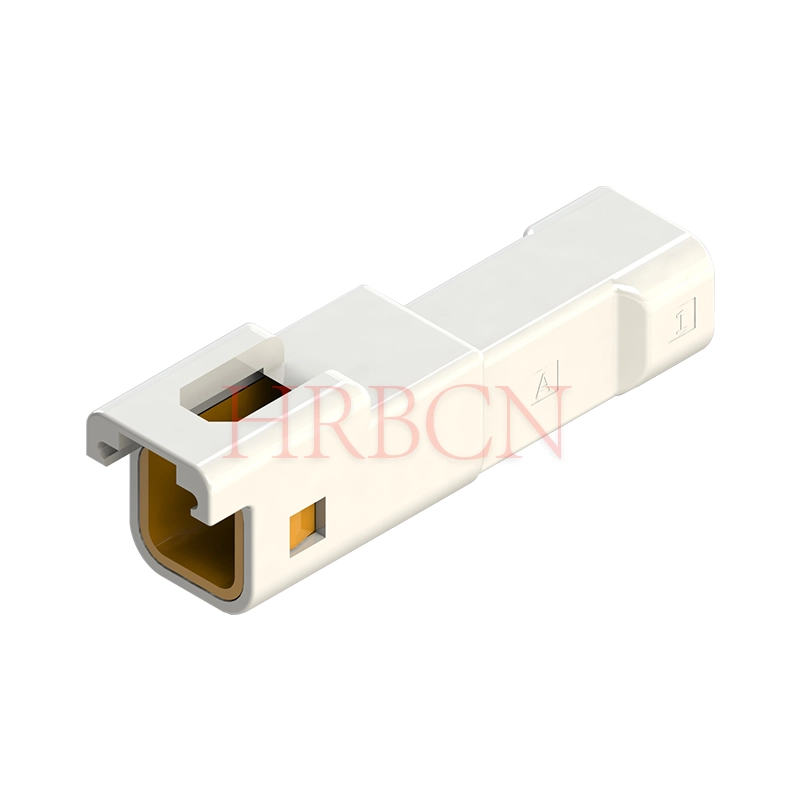
Electrical connectors link wires or devices. They make sure electricity flows safely. You use these important parts every day. The worldwide market for connectors was about USD 3.68 billion in 2024. It may grow to USD 5.52 billion by 2034. This means it could increase by 5.2% each year. Picking the right connector stops overheating and fire dangers.
Safety Feature | Why It Matters |
|---|
Voltage and Current Ratings | Stops overheating and fire dangers |
Compliance with Standards | Makes sure things work safely and reliably |
Regular Inspections | Lowers accidents and keeps systems working better |
Choosing the best connector keeps your systems safe. It helps everything run well. This is true if you build cars, set up home electronics, or make smart devices.
Key Takeaways
Electrical connectors help electricity move safely in devices. Picking the right connector stops overheating and fire risks.
There are many types of connectors for different jobs. Power connectors move electrical energy. Signal connectors send data and audio.
It is important to check connectors often. This helps find problems early. It keeps systems safe and working well.
Always look at voltage and current ratings before choosing connectors. Make sure these ratings fit your system. This stops failures and keeps things safe.
Waterproof connectors are needed for outdoor use. They keep out water and dirt. This makes sure things work well outside.
Electrical Connectors Overview
What Are Electrical Connectors
You use electrical connectors all the time, even if you do not see them. These small parts link wires, cables, or circuits together. They help electricity or signals move from one place to another. You can find them in cars, computers, home appliances, and toys. Some connectors stay attached for a long time. Others let you unplug and plug things back in when you need to fix or change something.
Electrical connectors have many types. The industry puts them into main groups. Here is a table that shows how they are different:
Category | Description |
|---|
Power Connectors | Move electrical energy and are sorted by how much voltage they handle: light-duty, medium-duty, high-voltage. |
Signal Connectors | Made for data, audio, video, and control signals, and focus on keeping signals clear. |
Circular Connectors | Strong and flexible, used in factories and the military, and have many pins. |
Rectangular Connectors | Fit more connections in less space and have designs you can change. |
You can pick the right connector by thinking about what you want to connect and where you will use it.
Key Functions and Importance
Electrical connectors do more than just link wires. They make sure power and signals move safely and work well. You need them to keep your devices running. Connectors help you fix, upgrade, or swap out parts easily. They also keep circuits safe from harm.
Here are some main jobs they do:
Link circuits so power or signals can move.
Make it easy to fix or upgrade things.
Keep data and power steady in your devices.
You should know connectors must follow strict rules. These rules cover how they are made, tested, and kept safe. Here is a table that shows what these rules include:
Aspect | Description |
|---|
Design and Construction | Rules for how electrical parts should be made to be safe and last long. |
Testing Procedures | Set ways to check how well they work, how strong the insulation is, and more. |
Performance Requirements | The lowest and highest limits for how well and how safe they work. |
Marking and Labeling | Rules for clear labels and safety signs on electrical things. |
Environmental Conditions | Things to think about for working in different places, like wet or hot areas. |
Tip: If a device stops working, a connector could be the problem. Common issues are short circuits, open connections, or rust that makes resistance go up. These problems can stop power or signals and might even be unsafe.
Types of Electrical Connectors
There are many electrical connectors in today’s systems. Each one has its own job. HRB&HRBCN Connector makes many wire connector types for different uses. You can pick wire to wire connectors, wire to board connectors, IDC connectors, waterproof connectors, and composite terminals. These wire connectors help you build safe and strong systems. They also make fixing things easier. You will also see lever connectors, solder connectors, and panel-mounted connectors in lots of projects.
Wire to Wire Connectors by HRB&HRBCN Connector
Wire to wire connectors join two or more wires without solder. People use these in cars, homes, factories, and solar panels. HRB&HRBCN Connector makes wire to wire connectors that follow safety rules. These connectors work well and help stop mistakes. The company gives wiring diagrams and PCB layouts to help you. You can count on their fast support and quick delivery.
Here is a table that shows where you use these wire connector types and their ratings:
Industry | Typical Current Rating | Typical Voltage Rating |
|---|
Residential | Standard | 600V |
Commercial/Industrial | Higher loads | 600V |
Solar Installations | Specialized | Up to 1000V |
HVAC | Plenum-rated | 600V |
Outdoor/Underground Work | Specialty connectors | 600V |
Pre-Fabrication Work | Versatile connectors | 600V |
Lever connectors and solder connectors are good for quick, safe joins. These wire connectors work well in hot or shaky places. You can find them in lights, control panels, and big machines.
Wire to Board Connectors for PCB Applications
Wire to board connectors link wires to printed circuit boards. You use these in electronics, cars, and machines. HRB&HRBCN Connector has many types and sizes. You can pick right-angle or straight connectors, single or double rows, and different pitches.
When you pick wire to board connectors, look at these things:
HRB&HRBCN Connector’s wire to board connectors meet or beat industry rules. Here is a table with important details:
Specification | Details |
|---|
Protection Rating | IP67 (IEC 60529) |
Connector Type | Wire to Board, Right Angle |
Pitch | 2.5mm |
Current Rating | 3A (AC/DC) |
Voltage Rating | 100V (AC/DC) |
Operating Temperature | -55°C to +85°C |
Wire Range | AWG 26–22 |
Insulation O.D. | 1.4–1.7mm |
Contact Material | Copper Alloy, Tin Plated |
Housing Material | PBT, UL94V-0 |
You will see these wire connectors in control boards, smart appliances, and car electronics. Lever connectors and solder connectors are often used for these jobs.
IDC Connectors for Quick Installation
IDC connectors help you connect wires fast. You do not need to strip or solder the wires. You just press the wire into the connector. This saves time and lowers mistakes.
Here is a table that compares IDC connectors and solder connectors:
Feature | IDC Connectors | Traditional Soldered Connectors |
|---|
Insulation Stripping | Not required | Required |
Termination Process | Bulk termination possible | Individual wire termination |
Assembly Errors | Reduced due to ease of use | Higher risk due to complexity |
Production Speed | Faster due to efficiency | Slower due to manual processes |
IDC wire connectors are used in telecom, computers, and controls. These wire connectors help you finish jobs quickly. Lever connectors and solder connectors can add extra safety if you need it.
Tip: IDC connectors let you connect many wires at once. You save time and money because you do not need to solder each wire.
Waterproof Connectors for Harsh Environments
Waterproof connectors keep water, dust, and dirt out. You use these wire connectors outside or in wet places. HRB&HRBCN Connector makes waterproof connectors with high IP ratings like IPX7 and IP69K. These wire connectors work in rain, snow, and mud. They also stand up to sun, heat, and chemicals.
Made for outdoor use
Great at keeping water out
Strong against dust and shaking
Come in many sizes and pin types
You need waterproof wire connectors for outdoor lights, electric cars, and boats. Lever connectors and solder connectors can be used with waterproof covers for extra safety.
Composite Terminals for Automotive and Industry
Composite terminals are special wire connectors for cars and machines. They have a strong design that stops shaking from breaking the connection. You can use them with rubber shells or plug them into different blocks. These wire connectors keep your connections safe, even when things move.
The composite terminal has a strong anti-vibration design, which is important for stable connections in places that shake.
You can use it with rubber shells or plug it into different blocks, making the connection safer.
Used a lot in cars and home appliances, where shaking is a problem.
You will see composite terminals in car wiring, machines, and home appliances. Lever connectors and solder connectors help you make strong joins in tough places. Panel-mounted connectors are also used for easy fixing and checking.
Note: Always pick the right electrical connectors for your job. This keeps your system safe and working well.
Applications of Electrical Connectors
Automotive and Transportation
You find electrical connectors in cars, buses, trains, and boats. These connectors help control lights, doors, sensors, and brakes. Wire connectors are used for drivetrain control and safety systems like airbags. They also connect infotainment systems. You see them in mass transit, railway, heavy equipment, and marine wiring. HRB&HRBCN Connector products meet strict certifications for wiring. Here is a table with important certifications:
Certification | Description |
|---|
IATF 16949 | Quality management for automotive components |
ISO 14001:2015 | Environmental standards in manufacturing |
ISO 45001:2018 | Safety in production environments |
ISO/IEC 27001 | Information security for automotive electronics |
ISO 50001 | Energy efficiency in manufacturing |
These wire connectors keep connections stable and safe.
Industrial Automation and Machinery
Factories and machines use electrical connectors for wiring. These connectors must work in tough places. They need strong locks and high retention strength. Connectors resist vibration and extreme temperatures. Wire connectors help with process control and safety. Waterproof types protect against dust and chemicals. Solder types make secure joins in control panels and machines. These connections keep systems running without stopping.
Consumer Electronics and Smart Appliances
Smart appliances and electronics use electrical connectors every day. These connectors allow small designs and reliable connections. Mini wire connectors save space and boost performance. You find them in smart wearables, home devices, and autonomous vehicles. Solder types connect multi-signal wires in tight spots. These connections support high output and power efficiency. You get products that last longer and work better.
Outdoor and Waterproof Solutions
You need electrical connectors for outdoor and waterproof jobs. These connectors protect against moisture, dust, and debris. Good sealing and strong materials matter. Wire connectors with high IP ratings are used for outdoor lights, electric vehicles, and commercial wiring. Tough designs help you handle environmental stress. Solder types and waterproof covers keep connections safe in harsh conditions. You get reliable performance even in rain or mud.
Tip: Always pick the right connector types for your jobs. This keeps your electrical connections safe and reliable.
Connector Selection Criteria
Picking the right connector matters for your project. You need to think about many things before you choose. The connector selection criteria help you stop problems and keep your system safe. You must look at voltage, current, durability, and safety certifications. You also need to check if the connector fits your setup and works with your devices.
Electrical and Mechanical Requirements
You must check what your system needs before you pick a wire connector. Each connector has limits for voltage and current. You need to match these limits to your system. Using the wrong connector can cause overheating or fire. You also need to see how strong the connector is and how long it will last.
Here is a table that shows the main things you should check:
Requirement Type | Key Parameters |
|---|
Electrical | Rated voltage, rated current, contact resistance, withstand voltage, combustibility |
Mechanical | Single separating force, total separating force, mechanical life, number of contact pairs, resistance to vibration and impact |
Always check the rated voltage and current for wire connectors. You also need to look at contact resistance and how well the connector handles shaking. If you use connectors in machines or cars, check how many times you can connect and disconnect them. HRB&HRBCN Connector has many types that meet these needs. You can find products that work in places that shake a lot and last a long time.
Environmental and Safety Standards
You must make sure your connector follows all safety and environmental rules. Different countries have their own standards. You need to check these before you finish picking. Safety certifications show a connector is safe to use. They also show the connector will not cause fires or shocks.
Here is a table of important standards you should know:
Name | National Standards | Country | Description | Certification Body | Certification Mark |
|---|
IEC | - | International | Technical electric standards based on the most recent scientific technology. Forms the basis for standards in other countries. | - | - |
UL | ANSI Standards | United States | To prevent fires, standards are enforced for the sale of electric products in the USA by state and city. Components must also be certified. | UL |
|
CSA | CSA Standards | Canada | North American safety standards are applied and operated to prevent fire accidents, in the same way as in the USA. | CSA |
|
EU | EN Standards | Europe | Standards are designed to prevent electric shock and fires, but are not legally enforced. Enforcement is achieved through strict penalties. | VDE, TUV-Rh |
|
CCC | Chinese National Standards: GB Standards | China | Items for which certification is enforced are specified, and the import and sale of uncertified items in China is prohibited. | CCC |
|
Always look for safety certifications like UL, VDE, or CCC when you pick a wire connector. HRB&HRBCN Connector products have many safety certifications. These include:
ISO 9001:2015 for quality management
UL/cUL for safety of electrical products
IATF 16949:2016 for automotive quality
VDE for safety and quality
IEC 60335-1 for household appliance safety and performance
RoHS & REACH for environmental compliance
These certifications help you trust your connector will work well and keep your system safe. You can use HRB&HRBCN Connector products in many countries because they meet international standards.
Tip: Always check the safety and performance ratings before you buy a connector. This helps you avoid problems and keeps your devices safe.
Compatibility and Integration
You need to make sure your connector fits your system. Compatibility is a key part of picking connectors. Using the wrong connector can cause system failures or extra costs. You must check the pin layout, voltage rating, and current carrying ability. You also need to match the connector to your wire size and device type.
Here are some things you should do:
Check the pin setup and make sure it matches your device.
Look at the voltage and current ratings for wire connectors.
Use standardized connectors to avoid mistakes.
Verify part numbers before you order.
Make sure the connector fits your installation needs.
If you use the right connector, your system works better and has fewer problems. HRB&HRBCN Connector can help you with custom solutions if you need special types or sizes. You can ask their team for help to pick the right wire connector for your project.
Note: Picking the right wire connectors is important for safety and performance. Always check compatibility before you install a new connector.
Installation and Maintenance
Best Practices for Connector Installation
You must follow simple steps to install connectors. Always turn off the power before you begin. Pick the right wire gauge for your connectors. Strip the insulation but do not hurt the wire strands. Check wires for damage or rust before you connect them. If you see problems, change the wire first. Use the right method for each connector type. Twist wire nuts tightly or use a crimp tool for crimp connectors. When soldering, heat the joint evenly. Try not to make cold solder joints. Wear gloves that protect you from electricity. Use tools with insulated handles to stay safe. These steps help you work safely and make sure your connector works.
Maintenance Tips for Longevity
You can make connectors last longer with regular care. Check connectors every month, especially in tough places. Look for wear, rust, or broken parts. Make sure all connections are tight and secure. Use a torque wrench if you need to. Clean connectors with a soft brush or air. Use isopropyl alcohol to clean dirt without leaving anything behind. Keep water away from connectors when cleaning. Store connectors in a dry and cool spot. Use dust covers and anti-static bags for extra protection. Keep connectors neat and labeled so you find them fast. Follow HRB&HRBCN Connector’s instructions for the best results.
Troubleshooting Common Issues
Sometimes, connectors have problems. If something stops working, check the connector first. Look for loose wires, rust, or broken parts. If you see a cold solder joint, heat it again and add new solder. Change connectors that are very worn or damaged. If resistance is high, clean the contacts and check for rust. Always test the connector after you fix it. Make a habit of checking and testing connectors often. Change any connector that does not work right. These steps help you stop problems and keep your system safe.
Tip: Good installation and care keep connectors safe and strong. You protect your devices and avoid expensive repairs.
You need to pick the right electrical connector for every job. This helps your devices stay safe and work well. HRB&HRBCN Connector offers certified and trusted choices. You can look at product datasheets or ask their team for help. They can give you expert advice and custom solutions. Doing regular checks and following safety rules helps you stop problems.
Tip: Always look at your connectors and follow safety steps. This keeps your equipment safe and your system strong.
FAQ
What is the difference between wire to wire and wire to board connectors?
Wire to wire connectors join two wires. Wire to board connectors link a wire to a printed circuit board. You use wire to wire connectors for cables. You use wire to board connectors for electronics and machines.
How do I know which connector size to choose?
You should check your wire gauge and the current your system needs. Look at the connector’s datasheet. Match the connector’s pitch and rating to your project. If you need help, ask HRB&HRBCN Connector for advice.
Are waterproof connectors really necessary outdoors?
Yes. You need waterproof connectors for outdoor jobs. They keep water, dust, and dirt out. This helps your system work in rain, snow, or mud. Waterproof connectors protect your devices from damage.
How often should I check my connectors?
You should check your connectors every month. Look for rust, loose wires, or broken parts. Regular checks help you find problems early. This keeps your system safe and working well.


