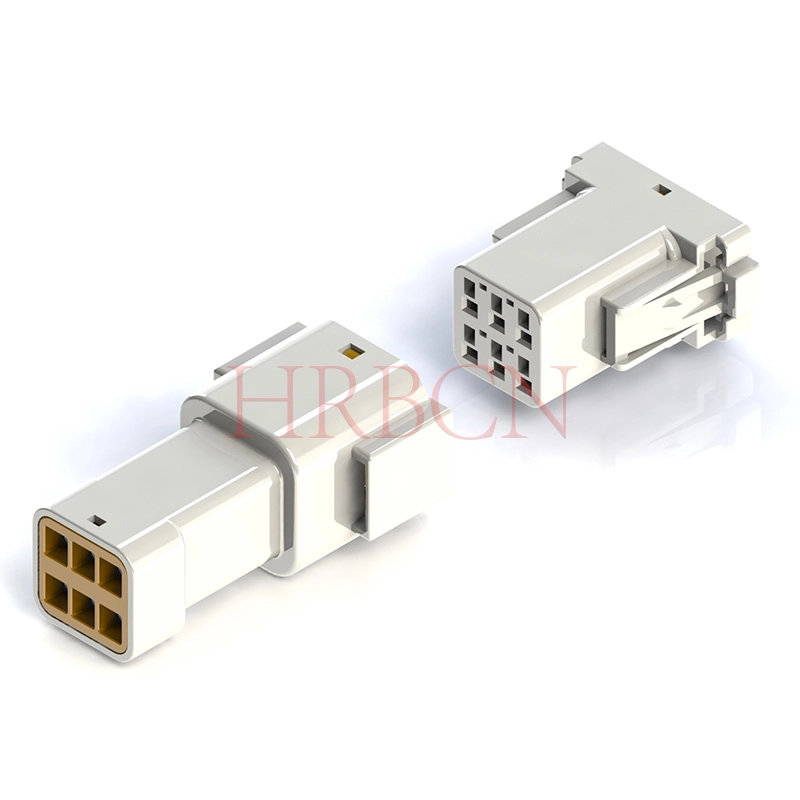
You should pick waterproof connectors to keep your outdoor electrical projects safe and working well. Find connectors that block water and dust, are made from strong materials, and fit your power needs. Safety, strength, and a good match for your project are most important. Look for certifications like IP ratings, UL, CE, TÜV, RoHS, and ISO 9001. These show the connectors are high quality.
Certification | What It Protects Against | Why It Matters for Outdoor Panels |
|---|
IP Rating | Dust & water getting in | Stops problems from water |
UL Listing | Installation approval | Needed by inspectors |
TÜV/CE/ISO 9001 | Quality, safety, and rules | Meets world standards |
You can count on HRB&HRBCN Connector for waterproof connectors. They are very reliable and have top certifications.
Key Takeaways
Pick waterproof connectors with an IP67 rating. This gives the best protection from dust and water. - Use connectors made from strong materials like brass, copper alloy, or sealed rubber. This helps them last longer. - Make sure the connector's voltage and current ratings fit your project's needs. This stops them from getting too hot or breaking. - Think about things like very hot or cold weather and sunlight when choosing connectors for outside. - Use a good installation checklist. This makes sure connectors are put in right and stay waterproof.
Key Factors for Choosing Waterproof Connectors
When you pick waterproof connectors for outside projects, you need to think about a few key things. Each one helps stop water damage and keeps your system safe. Let’s look at what you should check before you buy.
Understanding IP Ratings
IP ratings show how well a connector blocks dust and water. The first number is for dust. The second number is for water. For outside use, you want at least IP67. This means no dust gets in and it can go under water for a short time.
IP Ratings tell us how well a connector keeps out dirt and water. For outside jobs, IP67 connectors are best. They keep out all dust and can be under water for a little while.
Here is a simple chart for the numbers:
IP Rating | Dust Protection Level | Water Protection Level |
|---|
5 | Dust-protected | Water jets |
6 | Dust-tight | Powerful water jets |
7 | N/A | Temporary immersion |
8 | N/A | Continuous immersion |
HRB IP67 Waterproof Connectors meet the IP67 rule. You can trust them to keep out dust and water in tough weather.
Material and Durability
The material of your connector matters for how long it lasts. Good waterproof connectors use strong plastics, silicone, or metal alloys. Each one has its own good points.
Material | Properties | Impact on Durability |
|---|
Thermoplastics | Flexible, temperature tolerant | Can break down in sunlight |
Silicone | Seals well, handles hot and cold | May not be very stiff |
Metal Alloys | Strong, does not rust easily | May not seal as well as plastics or silicone |
HRB IP67 Waterproof Connectors use brass and copper alloy contacts with tin on top. The outside uses sealed rubber parts. This makes the connector fight rust, block water, and last in bad weather. Most waterproof connectors last 5 to 10 years outside. If you use good materials and take care of them, they can last even longer.
Electrical Requirements
You need to match the connector to your project’s power needs. If you use the wrong one, it can get too hot or stop working. HRB IP67 Waterproof Connectors can handle up to 3A and 100V. This works for many outside jobs like lights, cars, and machines.
Waterproof connectors are made for certain voltage and current levels. This helps them work for different jobs.
The voltage and current ratings are important. They make sure the connector can handle the power and still keep water out.
Always check the details before you buy. This keeps your system safe and working right.
Environmental Considerations
Outside connectors face many problems. Dust, water, humidity, sunlight, and chemicals can all hurt them. If you pick the wrong one, you might get rust, bad connections, or your system could stop working.
Dust and water can get inside and cause rust.
Humidity and quick temperature changes can make the connection weak.
Sunlight can break down some plastics.
Chemicals can hurt the outside or the metal parts.
Factor | Impact on Reliability |
|---|
Temperature Extremes | Thicker seals help connectors handle hot and cold better. |
UV Exposure | Use UV-resistant connectors in places with lots of sun. |
HRB IP67 Waterproof Connectors work from -55°C to +85°C. The sealed outside and rubber parts keep out dust, water, and sunlight. This makes them a smart pick for outside jobs.
Installation and Maintenance
How you put in your waterproof connectors is important. If you do it wrong, water can get in, even if the connector is IP67.
Clean all parts before you connect them.
Use dielectric grease to keep out water.
Tighten connectors just right—not too tight or too loose.
Make sure gaskets or O-rings are there and not broken.
Test the connection after you finish to check for leaks.
Tip: Always clean the ends and check the seals before you finish. This helps your connectors last longer and keeps your system safe.
HRB IP67 Waterproof Connectors are simple to put in. They have strong locks and easy steps. If you take care of them, they will protect your system from water for years.
Types and Applications of Waterproof Connectors
If you work outside with electricity, you need to know about waterproof connectors. There are different types. Each one is good for certain jobs.
Circular Connectors
Circular connectors are used a lot outside. You see them in outdoor lights, machines, and robots. They are round. This shape helps keep out water and dust. They use O-rings and strong locks to stop moisture. Some have more pins, so they can carry power or signals.
Feature | Description |
|---|
IP Ratings | IP66, IP67, IP68 keep out dust and water |
Durability | Works from -55°C to 200°C, fights shaking and rust |
Sealing & Protection | Has O-rings, EMC shields, and caps |
Locking Mechanisms | Push-pull, screw, and bayonet types |
Contact Options | One pin or many, even coaxial and fiber |
Materials | Made from steel, plastic, or chrome finishes |
People use circular connectors in factories, outdoor lights, and cameras. They give a strong connection that does not let in water.
Gel-Filled and Direct Bury Connectors
Gel-filled connectors have gel inside. The gel keeps water away from wires. It stays put, even if the weather changes. Silicone-filled connectors work in hot and cold. They stick to the walls and do not move. This keeps water out for a long time.
Direct bury connectors go underground. They do not need extra covers. They have a tough PVC jacket to block water. Gel-filled cables let in almost no water. This makes them good for wet places. Direct bury cables also keep wires safe when buried.
Connector Type | Advantages |
|---|
Silicone-Filled | Works in heat and cold, sticks to walls, fights freeze and thaw |
Petroleum Gel-Filled | Not as good in very hot or cold places |
Tip: Use gel-filled or direct bury connectors for wires underground or in wet spots.
HRB IP67 Waterproof Connectors in Outdoor Use
HRB IP67 Waterproof Connectors protect your outdoor projects. They have an IP67 rating. This means they block dust and can go under water for a short time. Their seals keep rain, dust, and sun away from your wires. Your lights and machines will work well.
Application | Description |
|---|
Automotive Electronics | Protects sensors, lights, and cameras in cars and trucks |
Outdoor Lighting | Keeps street and garden lights working in all weather |
Industrial Automation | Makes sure machines and robots work in tough places |
You can use HRB IP67 Waterproof Connectors in cars, outdoor lights, and factories. The strong lock stops signal loss and overheating. These connectors work in hot or cold weather. You can trust them for almost any outdoor job.
Note: Picking the right waterproof connectors keeps your outdoor projects safe and working for a long time.
Step-by-Step Selection Guide
Picking the right waterproof connector for your outdoor project is simple if you follow steps. This guide helps you make good choices and not make mistakes.
Assess Project Needs
First, think about what your project needs. Ask yourself these questions:
What weather will the connectors face? Think about rain, snow, heat, and cold.
Will the connectors get wet a lot or go underwater?
What is the temperature where you will use them?
Do you need connectors that block dust, chemicals, or sunlight?
What size wires will you use?
How much voltage and current will go through the connectors?
Will the connectors be above ground or buried?
Tip: Outdoor projects need connectors that keep out water and handle hot and cold. Always check if the connectors are made for outside use.
Match Connector Features
After you know what you need, match those needs to connector features. Here is an easy way to do this:
Find out if the connectors will face water, dust, or hits.
Check if the connectors fit your wires and tools.
Look for connectors made from strong stuff like brass, copper alloy, or sealed rubber.
Pick connectors with the right IP rating. For most outside jobs, IP67 is best.
Make sure you have the right tools to put them in.
If you pick the right wire connector, you stop problems like signal loss or overheating. HRB&HRBCN Connector has both regular and special waterproof connectors. You can get one that fits your project, even if you need a common size or something different.
Verify Compatibility and Certification
Before you buy, check that the connector works with your equipment and follows safety rules. Do these steps:
Make sure the connector works with your lights, cables, or machines.
Check the IP rating for dust and water safety.
Look for marks like UL, ISO, or CE. These show the connector passed safety tests.
Make sure the connector can handle the voltage and current your project needs.
Note: HRB&HRBCN Connector’s IP67 waterproof connectors meet top industry rules. You can trust them for safe and strong outdoor use.
Installation Checklist
Good installation keeps your system safe and working for a long time. Use this checklist to follow the best steps:
Checklist Item | Description |
|---|
Environmental Conditions | Think about rain, sun, and temperature changes before you start. |
Product Specifications | Match the connector to your project’s needs and the outdoor environment. |
Voltage Ratings | Pick connectors with voltage ratings higher than your system’s needs. |
Wire Gauge Combinations | Use the right wire sizes for the connector. |
Temperature Ratings | Make sure the connector can handle the hottest and coldest days. |
Certification | Check for UL, ISO, or CE marks for safety. |
Installation Method | Decide if you need tools or can install by hand. |
Proper Procedures | Strip wires the right way and insert them fully. |
Long-term Considerations | Plan for easy maintenance and check for wear over time. |
Remember: HRB&HRBCN Connector helps you with both regular and special solutions. You can always ask for help if your project needs something special.
If you follow these steps, you can pick and put in waterproof connectors that keep your outdoor electrical projects safe and working well.
You need to pick connectors that fit your project. Use the checklist and guide to help you choose. Here are the main things to look at:
Criteria | Description |
|---|
Voltage Rating Requirements | Pick connectors with voltage ratings higher than your system. |
Wire Capacity Verification | Check wire sizes using manufacturer charts. |
Temperature Range Confirmation | Make sure ratings fit your weather conditions. |
Certification Level Requirements | Look for UL or similar certifications. |
Installation Method Considerations | Choose easy installation for your team. |
HRB&HRBCN Connector is a good choice for outdoor jobs. They help keep your projects safe and working well.
FAQ
What does IP67 mean for waterproof connectors?
IP67 means your connector blocks all dust and can handle being under water for up to 30 minutes. You get strong protection for outdoor projects.
Can I use HRB IP67 Waterproof Connectors in freezing weather?
Yes! You can use these connectors in very cold or hot places. They work from -55°C to +85°C. Your connections stay safe in any season.
How do I know if a connector fits my wire?
Check the wire size in the connector’s guide. HRB IP67 Waterproof Connectors fit wires from AWG 26 to 22. Always match your wire to the connector for a safe fit.
Why should I choose certified connectors?
Certified connectors, like those from HRB, meet safety and quality rules. You get peace of mind knowing your project uses trusted parts.
Do I need special tools to install waterproof connectors?
Most HRB IP67 Waterproof Connectors are easy to install by hand. You may need a wire stripper or screwdriver. Always follow the instructions for the best results.


