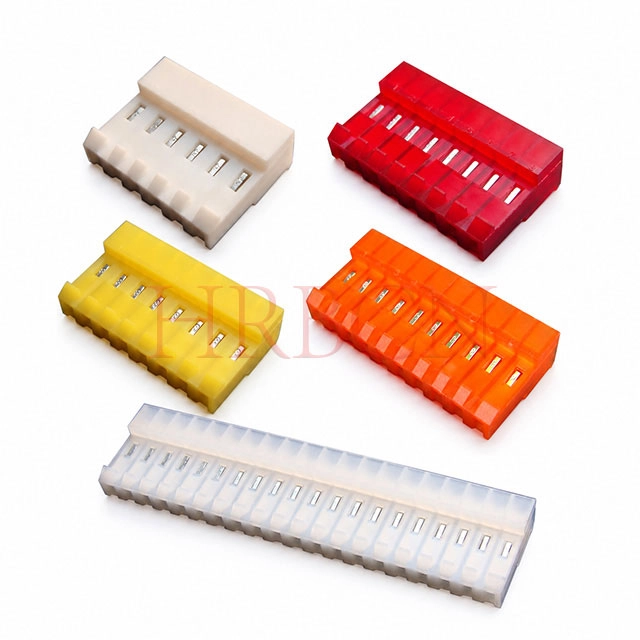
Saltwater can hurt any connector on your boat or dock. Corrosion shows up fast and makes electrical connections weak. You should check each connector often to keep your wiring safe. High humidity and salt make it tough to keep wiring safe. You need certified connectors, like HRB&HRBCN Connector, for these tough places. These connectors stop moisture and corrosion, which helps keep your wiring safe and makes your system last longer. Pick the right connector to keep your wiring safe and your equipment working.
Key Takeaways
Connector Corrosion in Saltwater Environments
Causes of Corrosion
When you use connectors in saltwater, there are many dangers. Saltwater is a strong conductor. It makes metal parts rust faster. If two different metals touch, galvanic corrosion can start. This gets worse in saltwater because it has more ions than freshwater. You also need to watch out for stray current corrosion. Stray currents move through the water and hurt your connectors. This can cause fast damage. Even a tiny hole in insulation can let stray currents in. This can make your system stop working.
Here is a table that lists the main types of corrosion you might see:
Type of Corrosion | Description |
|---|
Galvanic Corrosion | Happens when two different metals touch in salty water, making one metal rust faster than the other. |
Concentration Cell Corrosion | Starts when parts of a metal touch different amounts of the same liquid, causing an electric charge that makes one part rust. |
Pitting Corrosion | Shows up as small holes in the metal. Chloride ions and other chemicals can make it worse. |
Uniform Corrosion | Rusts the whole metal surface evenly. This happens because of things like moisture and salt in the air. |
You can use sacrificial anodes to protect your connectors. These anodes are made to rust first. They keep your main parts safe from rust.
Unique Saltwater Challenges
Saltwater makes things harder for your electrical systems. The high salt level makes rust and stray current corrosion happen more. Connectors break down faster in saltwater than in freshwater. Even a little saltwater can cause shorts, rusty connectors, and power loss. If you do not fix these problems, your equipment can stop working.
Saltwater lets electricity move easily, so rust happens faster, especially if different metals are used. Stray currents and wet air make it even worse.
You also need to think about other problems from the environment. Marine places have lots of water, salt spray, and changing temperatures. Regular connectors cannot handle these tough conditions. Stray currents and chloride ions can get into small spaces. This causes crevice corrosion and big damage.
HRB&HRBCN Connector has products made for these hard places. Their connectors use strong seals and new technology to fight rust. The connectors meet IEC 60529 and UL rules. This means they protect against water, dust, and rust. You get connectors that last a long time, even in rough saltwater.
Identifying Boat Electrical Corrosion
Signs of Connector Corrosion
It is important to find boat electrical corrosion early. This helps keep your marine electrical systems safe. Watch for these signs when you check connectors:
Green or white powder on metal parts means there is boat electrical corrosion.
Rusty spots or small holes on connectors show saltwater is breaking down the metal.
If insulation is cracked or swollen, there may be boat electrical corrosion inside.
Loose or weak connections can mean boat electrical corrosion is causing current loss.
Flickering lights or devices that stop working may mean boat electrical corrosion is making resistance higher.
Corrosion makes resistance go up in connectors. This can cause electrical problems and safety issues. Bad contacts and housings make the system weaker. Saltwater is a strong electrolyte, so regular connectors do not last long. You need connectors that resist corrosion or are waterproof to keep your electrical systems safe and working well.
Inspection Methods
You should check your connectors often to find boat electrical corrosion before it spreads. Make a routine inspection log and check connector coatings every three months. If you see peeling, scratches, or bubbles, fix them right away. Clean and check all connections during spring commissioning. In saltwater, check again in the middle of the season and after heavy spray or long anchoring.
Here are some tools that help you find boat electrical corrosion early:
Tool Name | Description | Applications |
|---|
Eddyfi Lyft® | Portable pulsed eddy current solution with real-time C-scan imaging. | Finds corrosion under insulation, blistering, flow-accelerated corrosion, surface corrosion. |
Remote Visual Inspection (RVI) | Robotic crawlers for hard-to-reach areas. | Detects pitting, dents, and corrosion in pipelines and other structures. |
These tools help you check for boat electrical corrosion in places you cannot see. Always watch for changes in current flow or any damage. Acting early keeps your electrical systems safe and helps connectors last longer.
Troubleshooting Connector Corrosion
Step-by-Step Guide
You can fix your boat’s electrical system if you follow these steps. This guide helps you keep your system safe and working well:
Scrub the contacts. Use a soft brush or cotton swab for light corrosion. If the corrosion is worse, use a terminal cleaning brush. This takes away the buildup and shows clean metal. Clean metal helps electricity move easily.
Dry thoroughly. Blow air into the connector with compressed air. Wipe it with a lint-free cloth. Let it dry all the way. If water stays, it can cause more corrosion and make your system weak.
Inspect while accessible. Check for cracks in the insulation. Look for pitted metal, loose parts, or spots that look burned. These signs show where corrosion has hurt your electrical parts.
Apply dielectric grease and reassemble. Put dielectric grease on the surfaces that touch. This grease stops corrosion and keeps water and air away from the metal. It helps keep your connection strong and protects your system.
Restore power and verify. Connect the battery again. Use a multimeter to check the voltage at the load. This shows your connections work and have low resistance.
Tip: Always wear gloves and eye protection when you work with electrical systems.
Cleaning and Repair Tools
You need good tools to clean corrosion and keep your system strong. Here are the best tools to use:
Soft brush or cotton swab for gentle cleaning.
Terminal cleaning brush for tough corrosion.
Baking soda and water mix to stop acid corrosion, but use electrical contact cleaner for most marine connectors.
Compressed air to blow away dirt and cleaner from connector housings.
Lint-free cloth for drying.
Dielectric grease to stop corrosion before reconnecting.
Electrical contact cleaner to remove oxidation.
Corrosion treatment formula for bad cases.
These tools help you keep your connections strong and make your electrical system last longer. Always use a corrosion inhibitor at the end to stop future problems.
Corrosion Prevention with HRB&HRBCN Waterproof Connectors
Product Features and Benefits
You need tough connectors for boats and docks. HRB&HRBCN Waterproof connectors help stop corrosion. They use special materials and smart designs to protect wires from saltwater and bad weather. You can count on them to keep your bonding systems safe.
Here is a table that shows what makes HRB&HRBCN Waterproof connectors good:
Material | Benefit |
|---|
Phosphor Bronze | Great conductivity and stops corrosion |
Tin Plating | Makes a shield against oxidation |
Solid rubber seals and O-rings give extra protection. These parts block water and keep dirt out. You can use these connectors where saltwater and humidity are always around.
HRB&HRBCN Composite Terminals give even more corrosion prevention. They are fully covered quick disconnect terminals. These terminals resist aging, corrosion, and heat. They work well in tough marine places. You can trust them to last and keep bonding systems steady.
You keep your marine electrical systems safe when you pick HRB&HRBCN Waterproof connectors and Composite Terminals. These products help you avoid expensive repairs and downtime.
Installation Best Practices
You must install connectors the right way to stop corrosion. Good installation keeps bonding systems strong and reliable. Follow these steps to make connectors last:
Get tools and materials. Use wire strippers and crimping tools.
Strip wires carefully. Do not let them fray.
Crimp connectors tightly to wire ends. This stops failures in bonding systems.
Seal connections with heat shrink tubing or silicone sealant. This blocks water and helps stop corrosion.
Test connections to make sure they work.
Always use marine-grade wire for bonding systems. Put dielectric grease on to keep air and water out before connecting. Make drip loops to move water away from connection spots. Use adhesive heat shrink tubes for extra sealing.
Marine-grade wire stops corrosion in tough places.
Dielectric grease keeps air and water out.
Drip loops move water away from bonding systems.
Adhesive heat shrink tubes give more protection.
Follow the manufacturer’s instructions closely. Make sure connectors fit tight and secure. This stops problems and makes your marine electrical system work better. After you finish, check all connections. Look for damage or wear to keep bonding systems safe.
Tip: Always check connectors after storms or heavy salt spray. Early checks help keep bonding systems strong.
You get better corrosion prevention and longer system life when you use HRB&HRBCN Waterproof connectors and Composite Terminals. These products protect bonding systems from saltwater, humidity, and shaking. You can trust them to keep your equipment working in tough coastal places.
Maintenance Tips for Saltwater Connectors
Routine Cleaning
You must clean connectors often to keep them safe from saltwater. Salt, dirt, and marine growth can pile up fast. Cleaning stops these things from hurting connectors and helps them last longer. Use gentle cleaners and tools so you do not scratch the connector. Pick a cleaner that works well with the connector’s material. Isopropyl alcohol is good for cleaning because it removes dirt and does not damage the connector.
There are two main ways to clean connectors:
Always let connectors dry all the way before putting them back together. Compressed air can blow away extra cleaner and water. You should clean connectors on a schedule:
Every month, check for green or white powder, broken O-rings, or loose parts. Early checks help keep connectors safe.
Every three months, disconnect and look at contact surfaces. Clean gently with a soft brush and electrical contact cleaner.
Once a year, change O-rings and seals if they look old. Check underwater connectors for holes or damage.
Protective Measures
You can make connectors safer by using the right materials and steps. Tinned marine-grade wire fights corrosion better than regular copper wire. Seal every connection with adhesive-lined heat shrink tubing or waterproof connectors. This keeps saltwater and moisture out. Put dielectric grease on terminal ends and connections. The grease makes a barrier for extra safety.
Check bonding and grounding systems often. This lowers galvanic activity and stops corrosion. Keep different metals apart to stop galvanic reactions. Rinse connectors with freshwater after saltwater use to wash away salt.
Here is a table of recommended materials for protection:
Material Type | Properties |
|---|
Brass or Bronze (Tin-Plated) | Strong alloys, corrosion resistance when plated. |
Stainless Steel Hardware | Resists rust in aquatic conditions, used for screws, bolts, and springs. |
Insulator/Body Plastics | Marine-grade nylon is rigid, heat-resistant, and less prone to splitting compared to PVC. |
Silicone or Rubber Seals | Flexible seals that prevent water ingress, durable across a wide temperature range. |
You can also use polyurethane sealant or silicone seals to keep water out. These steps help keep moisture away and make connectors last longer. Good care and protection keep your marine electrical systems safe and working well.
Risks of Neglecting Corrosion Prevention
Safety and Financial Impact
If you do not stop corrosion on your boat’s connectors, you could be in danger. Corroded connectors make your electrical system harder to work. This makes voltage drop and wires get hot. Hot wires can cause fires. You might lose power to important things like navigation lights or bilge pumps. If corrosion hurts your bonding system, galvanic corrosion can attack underwater metals. This makes your hull and other metal parts weaker. Your boat becomes less safe.
Corrosion is not just a safety problem. It can cost a lot of money. When connectors corrode, signals get worse and equipment may stop working. You may need to pay for repairs or buy new parts. Sometimes, you must hire special crews and boats to fix things at sea. If your system breaks, you lose time and money because your boat cannot run. Corroded connectors make it hard to check your system, so you might miss early warning signs. This causes more breakdowns and higher costs.
Ignoring corrosion prevention can turn a small problem into a big safety risk or expensive repair.
When to Seek Professional Help
You should check your bonding systems and connectors often. If you see corrosion or feel unsure about your system’s safety, ask a marine electrician for help. Use an ohm meter to test resistance between parts. If you find high resistance or cannot fix the problem yourself, call a professional.
A professional can find hidden problems and keep your boat safe. Do not wait until a small issue becomes a big danger. Regular checks and expert help keep your marine electrical system working well.
You keep your boat and gear safe by checking connectors often and stopping corrosion. Cleaning connectors, making sure wires are tight, and using marine-grade connectors help stop problems. HRB&HRBCN Connector products work well and have passed tough tests in hard places. Learn about new tools and always follow good maintenance steps. Pick the best connectors to save money, stay safe, and keep your boat’s systems working well.
FAQ
What are anodes, and why do you need them on your boat?
Anodes keep metal parts safe from corrosion. You put anodes on underwater metal. Anodes rust first, so your connectors and hull do not. You should check anodes often. Change anodes when they get worn out. Anodes are important for every marine electrical system.
How do you choose the right anodes for your boat?
You need to pick anodes that match your boat’s metal and water type. Use zinc anodes in saltwater. Use aluminum anodes in mixed water. Use magnesium anodes in freshwater. Picking the right anode keeps your system safe. Always follow the manufacturer’s guide when choosing anodes.
How often should you inspect or replace anodes?
Check anodes every three months. If you see a lot of wear, change anodes right away. Do not let anodes wear away completely. Worn anodes cannot protect your connectors. Regular checks help stop saltwater from hurting your system.
What is the role of anodes in preventing saltwater connector corrosion?
Anodes are sacrificial metal. They attract corrosion so connectors stay safe. You need to put anodes near metal parts. Anodes work best when they are clean. Anodes are your first defense against saltwater corrosion.
Why is bonding system inspection important for marine safety?
Bonding system inspection helps you find weak spots in your electrical system. You check if anodes work and if connections are tight. This inspection stops corrosion and keeps your boat safe. Always check anodes during bonding system inspection.


