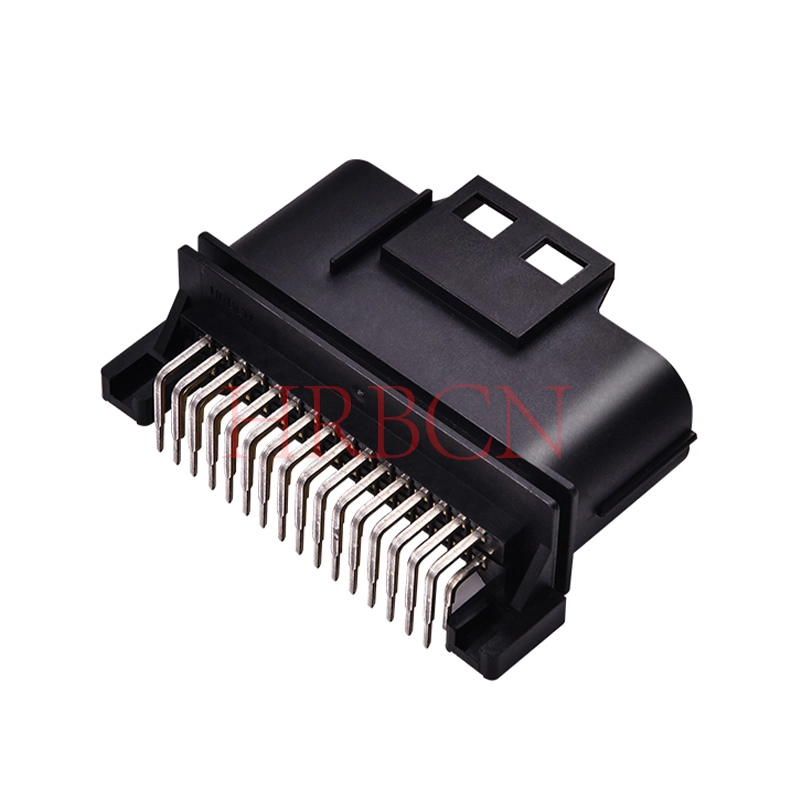
You need waterproof connectors that work well in tough places for electronics or cars. HRB&HRBCN Connector gives great quality with strong sealing and tough materials. Important features for reliability are high current and voltage tolerance, materials that resist rust, and locks that keep connectors safe. Check what matters most in industry reports:
Feature | Description |
|---|
High Current and Voltage Tolerance | Keeps contact resistance low and lets electricity flow well, even when conditions are hard. |
Durable Material Composition | Uses materials like polycarbonate and stainless steel that do not rust, so they last longer. |
Safety Features | Has locks and special designs to stop connectors from coming apart by accident. |
You can count on HRB&HRBCN for connectors that meet all quality rules.
Key Takeaways
Pick waterproof connectors with high IP ratings like IP67 or IP68. These ratings help keep out dust and water.
Find connectors made from strong materials like polycarbonate and stainless steel. This helps them last a long time.
Look for important certifications like UL, VDE, and LV214. These show the connectors are safe and reliable for cars.
Choose connectors with good sealing technologies like O-rings and gaskets. These stop water and dust from getting inside.
Make sure connectors have low contact resistance. This keeps signals strong and stops them from getting too hot.
Think about where the connectors will be used. They might face chemicals or very hot or cold temperatures.
Use the right steps to install and take care of your connectors. This helps them last longer and saves money on repairs.
Check connectors often for signs of wear or damage. This makes sure they keep working well in tough places.
Waterproof Connectors: Key Reliability Criteria
Waterproof Ratings and Standards
Understanding IP67, IP68, and Higher
You need waterproof wire connectors for tough places. The best automotive connectors use IP ratings. These ratings show how well they block dust and water. IP67 and IP68 are the most used ratings for cars and electronics. IP67 means the connector can go under water up to 1 meter for 30 minutes. IP68 means it can stay under water for a long time. This is good for places with lots of water.
IP Rating | Dust Protection | Water Protection | Description |
|---|
IP67 | 6 | 7 | Protected against immersion in water up to 1 meter for 30 minutes. |
IP68 | 6 | 8 | Protected against continuous immersion in water, with conditions specified by the manufacturer. |
When picking waterproof wire connectors, check the IP rating. If your project gets rain or splashes, IP67 works. If water is around for a long time, pick IP68. HRB waterproof connectors have both IP67 and IP68. You can choose what fits your needs.
Certification and Testing for Reliability
Good automotive connectors must pass strict tests. Look for UL, cUL, VDE, and LV214 certifications. These show the connectors are safe and work well. LV214 is very important for cars. It checks if connectors can handle shaking, hot and cold, and long use.
Certification | Description |
|---|
UL | Ensures safety and performance standards for electrical devices. |
cUL | Canadian equivalent of UL, ensuring compliance in Canada. |
VDE | German standard for electrical safety and performance. |
LV214 | Automotive standard for connector durability and reliability. |
HRB&HRBCN waterproof wire connectors have these certifications. They are tested for tough places and give you good quality.
Material Durability and Sealing Technology
Corrosion and Chemical Resistance
You want waterproof wire connectors that last a long time. The best ones use materials that do not rust or break in sun or heat. Strong plastics like polycarbonate and PBT, and metals like stainless steel, make them tough. Special coatings help stop rust.
Material | Temperature Range | Chemical Resistance | Applications |
|---|
EPDM | -40°C to +120°C | Water, steam, ozone | Automotive |
Silicone | -60°C to +200°C | Excellent flexibility | High-temp applications |
NBR | N/A | Petroleum-based fluids | Fuel systems |
FKM | Up to +200°C | Aggressive fluids | High-performance applications |
HRB waterproof connectors use these strong materials. You can trust them for cars, factories, and outside jobs.
Sealing Materials and Locking Mechanisms
Seals, gaskets, and O-rings keep water and dust out. These parts stop water from getting in and causing problems. Locking parts keep connectors tight. You do not have to worry about loose connectors or lost signals.
Tip: Always look for strong locks and good seals when picking waterproof wire connectors.
HRB&HRBCN waterproof connectors use smart sealing and locking. You get connectors that stay put and keep water out.
Electrical and Mechanical Performance
Signal Integrity and Contact Resistance
You need waterproof wire connectors that keep signals strong. Low contact resistance lets electricity move easily. HRB waterproof connectors use special contacts to stop signal loss and overheating. This helps your electronics work well.
Vibration, Shock, and Mechanical Strength
Good automotive connectors must handle shaking and bumps. Look for connectors tested for pulling, bending, and hitting.
Benchmark | Description |
|---|
Mechanical Life | Durability index based on insertion and extraction cycles. |
Tensile Strength | Maximum pulling force a connector can withstand before failure. |
Shear Strength | Ability to resist forces applied parallel to its cross-section. |
Impact Resistance | Resilience against sudden shocks or impacts. |
HRB&HRBCN waterproof wire connectors pass these tests. You get connectors that work well in cars and factories. They last through many uses and keep your systems safe.
Note: Picking connectors with strong mechanical strength helps lower repairs and stops downtime.
You can trust HRB&HRBCN for quality and strength. Their waterproof connectors meet all the important rules. They are the best choice for electronics and cars.
Top Waterproof Connector Types for Harsh Conditions
Circular and Rectangular Connectors
Features and Reliability for Automotive and Industrial Use
You need strong waterproof wire connectors for tough places. Circular connectors work well where there is a lot of shaking or heat. They also do well in dusty spots. You can find these connectors in factories, the military, and machines. O-rings and hard covers keep water and dirt out. Their shape makes them simple to plug in and take out. This helps you fix things quickly.
Circular connectors are tough and very reliable.
They block outside noise to protect your signals.
You can use them in factories, planes, defense, and hospitals.
Rectangular connectors are also a great choice. They help save space and let you connect many wires close together. You see these connectors in car electronics and network gear. They have lots of pins, so you can send more signals at once. This is good for new cars and smart machines.
HRB has waterproof wire connectors in both shapes. These connectors pass hard tests for water, dust, and shaking. You get connectors that keep your systems working, even in rough places.
Specialty Connectors for Extreme Environments
Marine-Grade and High-Temperature Connectors
You need special waterproof wire connectors for the hardest jobs. These are used in boats and very hot places. Marine-grade connectors use stainless steel and strong plastics. These materials last a long time, even with saltwater and sun. They keep wires tight, so you do not lose signals when things move.
Advantage | Description |
|---|
Enhanced Durability | Made for boats, they last long and need less fixing. |
Prevention of Electrical Failures | Stops water from getting in, so there are fewer short circuits. |
Improved Safety | Helps keep boats safe by lowering fire and system risks. |
Cost-Effective Solution | Saves money over time because they break less often. |
Versatile Applications | Used for many things on boats, like steering and talking. |
High-temperature connectors use special materials that do not melt or break. They work in freezing cold and very hot places. These connectors meet strict safety rules, so you can trust them for important jobs.
The best waterproof wire connectors for hard places pass tough tests. For example, they stay dry after being under water for 30 minutes. They still work after salt spray and big changes in temperature. Some connectors last through over 10,000 times of plugging in and out.
HRB’s waterproof wire connectors use smart seals and strong materials. You get connectors that work on boats, outside, and in factories. These connectors help stop problems and lower repair costs. When you want good quality, HRB gives you the best waterproof wire connectors for your needs.
Application Recommendations for Electronics and Automotive
Electronics: Consumer and Industrial
Outdoor Devices and Automation
You need waterproof wire connectors for outdoor electronics and machines. These connectors protect your devices from rain, dust, and hot or cold weather. If you use good waterproof wire connectors, your devices keep working, even when the weather is bad.
Here are some ways people use waterproof wire connectors in electronics and automation:
Application Scenario | Description |
|---|
Factory Automation Machines | Machines can get wet. Waterproof wire connectors keep connections safe and working. |
Material Handling Equipment | This equipment works in wet places. These connectors help keep things safe and steady. |
Food & Beverage Processing | There is a lot of water and cleaning. Waterproof wire connectors stop damage and downtime. |
Pharmaceutical Manufacturing | These places need high protection. The connectors stop water and dirt from getting in. |
Automotive Manufacturing | Cars face liquids. Waterproof wire connectors make them last longer and work better. |
Autonomous Delivery Vehicles | Weather changes fast. These connectors keep everything working in all weather. |
You also find waterproof wire connectors in process control, making computer chips, machine shops, and packing machines. All these jobs need connectors that block water and dust.
Waterproof connectors are strong barriers. They keep out water, humidity, and dust. This protects your electrical connections from getting hurt.
When you pick connectors for outdoor lights or boat electronics, think about rain, snow, saltwater, and hot or cold weather. The best waterproof wire connectors can handle these things and keep your electronics safe.
Automotive: Engine, Lighting, and Sensors
Harsh Environment and Safety Considerations
You need good automotive connectors to keep your car’s engine, lights, and sensors working. Waterproof wire connectors stop water from getting inside. This helps you avoid short circuits and rust. These connectors use tough materials like nylon or thermoplastic elastomers. They can handle water, heat, and sunlight.
Here are some reasons to use the best waterproof wire connectors in cars:
They block water and dirt to keep your wires safe.
Seals like O-rings and grommets give extra safety.
Locks keep connectors tight so they do not fall out.
Your car works well, even with shaking or bumps.
When you pick connectors for cars or outdoor electronics, always check the IP rating. Make sure the connectors fit your equipment and where you use them. Plastic connectors are good for light jobs. Metal connectors are better for heavy work.
HRB’s waterproof wire connectors follow strict quality rules. You get connectors that last longer and need less fixing. These connectors help you build safe and strong systems for cars, outdoor lights, boats, and factory machines.
Selecting the Right Waterproof Connectors
When you pick waterproof wire connectors, you need to think about a few things. You want connectors that work well in hard places and last a long time. HRB has options that help you get good results for electronics and cars.
Assessing Application Needs
Environmental Conditions and Standards
First, think about where you will use your connectors. Will they face water, dust, sun, or big temperature changes? For outside or car jobs, you need connectors that can handle rain, mud, and salt spray. Try to find connectors with an IP67 rating. This means they keep out dust and can go under water for a short time.
You should also see if your connectors meet important rules. In cars, rules like IATF 16949:2016 and ISO 16750 make sure connectors are safe and strong. These rules test for shaking, bumps, and rust. The table below shows some main tests:
Testing Standard | Purpose |
|---|
IP67 or IP68 Ratings | Makes sure connectors block water and dust. |
Temperature Cycling | Tests how connectors handle hot and cold. |
Vibration and Shock | Checks if connectors stay stable when things move. |
Corrosion and Salt Spray Tests | Makes sure connectors last in wet or salty places. |
Always match the connector’s features to where you will use them. This helps you get the best waterproof wire connectors for your job.
Compatibility and Certification
Industry Standards and Interchangeability
You need to check if your connectors fit your equipment and work with other parts. Look at the type, size, and pin layout of the connector. This is important for new cars and other electronics. HRB has many connectors, so you can find what you need.
Look for connectors with certifications. Certifications like UL, VDE, and LV214 mean your connectors passed tough safety and quality tests. These are important for car connectors and other big jobs. Good connectors should be easy to swap if you need to change them. Swapping connectors saves time and lowers repair costs.
Tip: Always check the technical details and certifications before you buy. This helps you avoid problems later.
Installation and Maintenance
Proper Sealing and Inspection Tips
Good installation and regular checks help your connectors last longer. Follow these steps to keep your connectors strong and safe:
Get all your tools and materials. Make sure your workspace is clean.
Cut and strip wires to the right size.
Connect wires as the maker says. Make them tight.
Seal the connection with heat shrink tubing or silicone to keep out water.
Test the connection with a multimeter to make sure it works.
Write down what you did and check for any problems.
You can also follow these tips:
Clean all parts before you connect anything.
Use dielectric grease to help keep water out.
Make sure seals and O-rings are in place and not broken.
Tighten connectors just right. Do not make them too tight.
Think about extra sealing if you work in very wet or dirty places.
For regular checks, you should:
Turn off the power before you look at connectors.
Check connectors for wear, rust, or damage.
Clean connectors with the right cleaner.
Make sure all seals and locks still work.
Change any broken parts right away.
Note: HRB’s waterproof wire connectors have strong seals and locks. You get extra protection and easy help from HRB’s team.
If you follow these steps, your connectors last longer in tough places and your systems keep working. HRB’s connectors help you stop problems and save money on repairs.
Common Pitfalls and How to Avoid Them
When you pick waterproof connectors for electronics or cars, you want them to work well for a long time. Many people make mistakes that can break their systems, cost more money, or even cause safety problems. If you know about these mistakes, you can stop them and keep your systems safe and working right.
Misinterpreting Waterproof Ratings
Some people think a higher IP rating always means better safety, but that is not true every time. IP ratings tell you how well a connector blocks dust and water, but each rating checks for different things. For example, IP67 and IP68 test for different kinds of water. The 'X' in an IP rating means there was no test, not that there is no safety.
Mistake | Explanation |
|---|
Misreading the 'X' variable | 'X' means no test, not no safety. |
Misunderstanding the second digit | The second number shows what kind of water safety, not just better or worse. |
Relying solely on IP ratings | IP ratings do not promise long life; how it is made matters too. |
Choosing the wrong IP rating | Picking the wrong rating for your job can lead to big mistakes. |
Tip: Always pick the IP rating that fits your real needs. Do not think IP67 is always better than IP66 for everything. Look at the maker’s reputation and what materials they use, especially for marine grade connector or high voltage connectors.
Overlooking Environmental and Long-Term Factors
You might only think about putting in the connector and forget about what happens later. Over time, seals can get weak, and damage can happen before you see any problems. Shaking, hot and cold, and chemicals can all hurt seals and make them fail.
Factor | Description |
|---|
Seal Degradation | Weather and chemicals can make seals weak, letting water in. |
Improper Installation | Parts that are not lined up right can cause trouble later. |
Mechanical Stress | Shaking and heat can wear out seals and parts. |
Hidden Degradation | Damage can hide for a while, then cause sudden problems. |
You should check connectors often and use ones made for your area. For example, use a marine grade connector if it is salty or wet. Always pick strong and steady connections to stop hidden trouble.
Poor Installation and Maintenance Practices
Even the best connectors can break if you do not put them in or take care of them the right way. Bad installation can cause electric problems, let water in, or even make things unsafe. You need to get cables ready, crimp contacts, and check seals closely.
Electric problems can happen if wires are loose or not connected right.
Water can get in if seals are not tight, which can cause rust.
Bad systems can be dangerous in cars or factories.
To stop these problems:
Clean everything before you start.
Use the right amount of force when you tighten connectors.
Check seals and locks.
Make sure cables cannot move too much.
Check connectors often and change old parts.
Note: Always do what the maker says for putting in and taking care of connectors. This helps you get high voltage connectors to work well and last longer.
If you know about these common mistakes, you can make better choices and keep your systems working well.
You need waterproof connectors you can trust to keep your electronics and car systems safe. HRB&HRBCN gives you connectors that work well. They have strong protection against water and dust. The materials are tough and the seals are very good. Many people say they have fewer problems and spend less money fixing things after using these connectors.
Benefit | Description |
|---|
Reliable Waterproof Performance | Blocks dust and water, so signals stay strong in tough places. |
Corrosion Prevention | Stops rust and helps devices last longer. |
Space-Saving Integration | Fits in small spaces in cars and machines. |
Think about where you will use your connectors and what you need them to do. You can ask HRB&HRBCN for help and special answers for your job.
FAQ
What does IP67 mean for waterproof connectors?
IP67 keeps out dust and blocks water for a short time. It works under water up to 1 meter deep for 30 minutes. This helps protect electronics in wet or dusty places.
How do you choose the right waterproof connector for your project?
Check the IP rating, strong materials, and certifications. Pick a connector that fits your place and voltage needs. Ask HRB&HRBCN if you need a special connector.
Can you use HRB waterproof connectors outdoors?
Yes, you can use HRB waterproof connectors outside. They stand up to rain, dust, and changes in temperature. You can trust them for lights, cars, and machines outside.
How often should you inspect waterproof connectors?
Check connectors every six months or after bad weather. Look for damage, rust, or loose seals. Checking often helps stop problems and makes connectors last longer.
What materials do HRB waterproof connectors use?
HRB uses strong plastics like PBT and metals like copper alloy. These materials fight rust and heat. You get connectors that last a long time in hard jobs.
Are HRB waterproof connectors certified for automotive use?
Yes, HRB waterproof connectors pass car rules like UL, VDE, and LV214. You can trust them to be safe and work well in cars and machines.
How do you install waterproof connectors correctly?
Clean all parts before you connect them. Put wires in as the guide shows. Check seals and locks. Use dielectric grease for more safety. Tighten connectors so water cannot get in.


