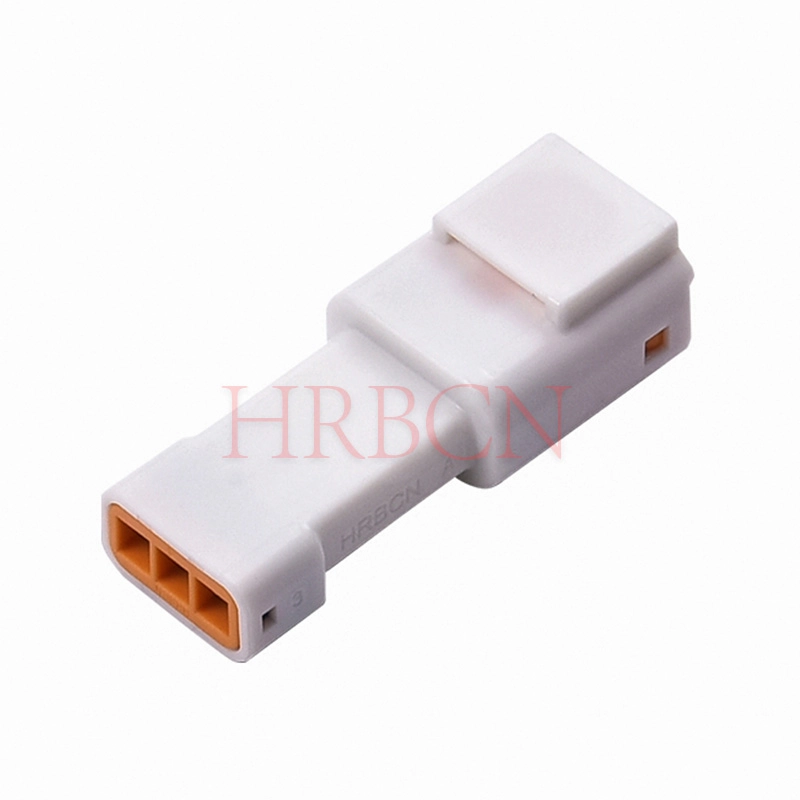
You might ask why your waterproof connector leaks even after you pick it carefully. Leaks can happen because the material is weak, you make mistakes when installing, the environment is tough, or parts get old. This problem happens a lot in cars, boats, and factories.
Industry | Impact of Leaks |
Automotive | Leaks can cause short circuits and system stops |
Marine | Water getting in can cause long delays |
Industrial | Factories need things to work; water can cause loss |
Water getting in is a main reason for electrical problems. You may see rust or lose signals if water gets inside. Even small leaks in waterproof connectors can cause big trouble, but you can fix or stop most problems if you use the right steps.
Key Takeaways
Pick good waterproof connectors made from strong materials like polycarbonate and PBT. This helps stop leaks and makes them last longer.
Always look at the IP rating before you use connectors. An IP67 rating means it keeps out dust and can handle some water for a short time.
Follow the right steps when you install connectors. Use the correct tools and ways to make sure seals are tight. This stops water from getting in.
Check connectors often for damage, like cracks or rust. Finding problems early can help you avoid expensive fixes.
Put dielectric grease on when you install connectors. This helps the seal last longer and lowers the chance of leaks in tough places.
Material Issues In Waterproof Connectors
Waterproof connectors help keep your systems safe from water and dust. It is important to know how material quality, design, and certification change how well they work. If you pick the wrong materials or miss important ratings, leaks and failures can happen.
Low-Quality Materials
Not all waterproof connectors are the same. The materials matter a lot. If you use cheap materials, your connector might break or leak early. Here are some problems you might see:
Good copper gives strong signals and lasts a long time. Bad copper can make weak connections and break down fast.
Good plastic can handle heat and does not get old quickly. Cheap plastic can crack or break, letting water inside.
If your connector does not have the right protection rating, it might not work outside or in wet, dusty places.
Low-quality connectors can stop working in two to five years. You want a good waterproof connector that lasts much longer.
HRB&HRBCN Connector uses tough materials like polycarbonate and PBT. These materials can handle sunlight, heat, and hard conditions. The contacts use coated metals to stop rust and deal with moisture. Silicone and rubber seals keep water out and make the connector flexible.
Material Type | Benefits |
Polycarbonate | Strong, UV resistant, does not rust |
PBT | Durable, withstands harsh environments |
Coated Metals | Prevent rust, handle heat and moisture |
Silicone | Effective sealing against water ingress |
Rubber | Provides flexibility and additional sealing |
If you pick connectors made with these materials, you get better performance and fewer leaks.
Design And Manufacturing Flaws
Even if you use good materials, bad design or mistakes in making the connector can cause leaks. Watch out for these common problems:
Material Flaw | Description |
IP Rating Misinterpretation | Using the wrong rating can cause leaks in deep or underwater use. |
Seal Degradation | O-rings can swell or crack from heat or chemicals. |
Improper Installation Torque | Not tightening enough can leave spaces for water to get in. |
Cable Capillary Action | Broken jackets let water move along wires into the connector. |
Galvanic Corrosion | Mixing metals in wet places can cause rust and damage. |
Chemical Degradation | Salt or chemicals can damage contact pins. |
Plating Depletion | Too many uses can wear away coatings, leading to rust. |
You should check for these problems before and after you install the connector. HRB&HRBCN Connector uses special sealing and careful making to stop these issues. Their waterproof connectors have strong locks and good seals. This helps stop leaks and keeps your connections safe.
Importance Of IP67 Rating
You need to look at the IP rating when you pick waterproof connectors. IP67 means the connector keeps out dust and can be in water for a short time. This rating is important for outdoor, marine, and factory use.
Some people think IP67 means the connector can stay underwater for a long time. That is not true. You should always match the rating to how you will use the connector.
HRB&HRBCN Connector has waterproof wire connectors with a real IP67 rating. These connectors pass hard tests for dust and water. You can use them in tough places like cars, outdoor lights, and factories.
Tip: Always check the IP rating and material details before you buy. This helps you stop leaks and avoid expensive repairs.
When you pick waterproof connectors from HRB&HRBCN Connector, you get strong seals, tough materials, and good protection. This keeps your systems working and stops long breaks.
Installation Problems With Waterproof Wire Connectors
Leaks often happen because of mistakes when you put connectors together. You have to be careful with every step. Even a small mistake can let water get in and hurt your system.
Incorrect Assembly Steps
You need to follow the right order when putting waterproof wire connectors together. If you skip steps or use the wrong tools, the seal can get weak. Here are some problems you might see:
If you put seals in the wrong order, you lose about 25% of the tightness needed for a good seal. This makes leaks easier to happen.
Not using the right tool can hurt the seals. When you use the right tools, damage drops from 8% to 0.5%.
Using dielectric grease when you put things together can help seals last three times longer in tough places.
Tip: Always use the tools and steps the maker tells you to use. This helps your waterproof connectors work well.
Seal And Gasket Placement
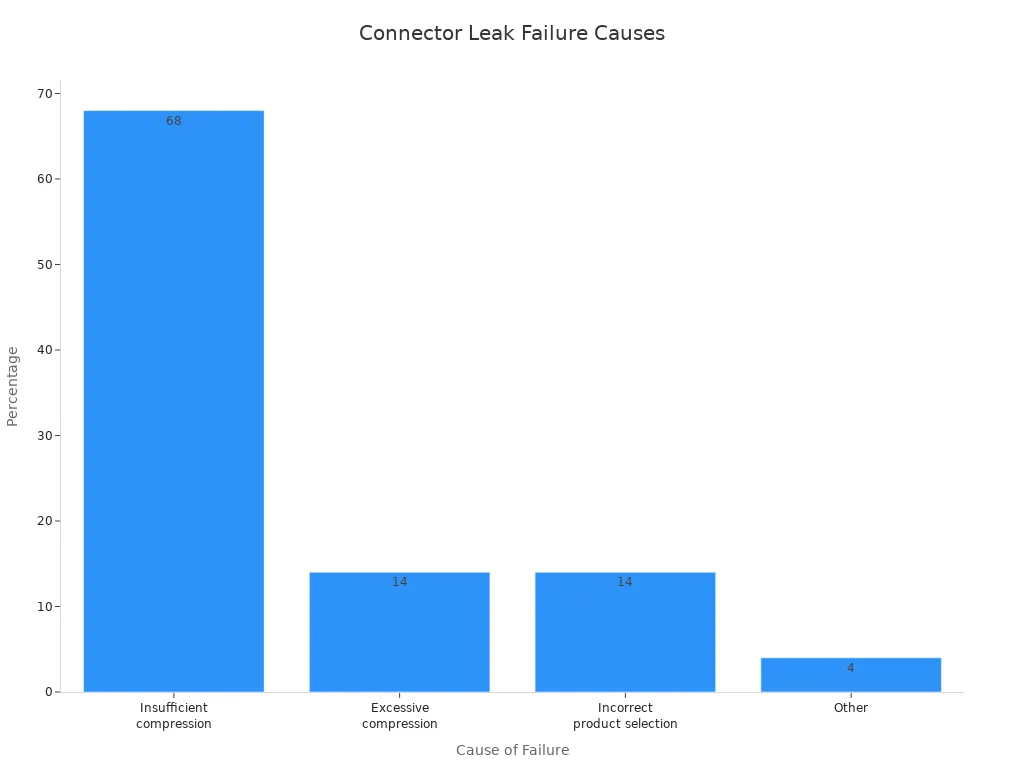
Putting seals and gaskets in the right spot is very important. Most leaks happen because seals are too loose or too tight. The table below shows how often each mistake causes leaks:
Cause of Failure | Percentage |
Insufficient compression | 68% |
Excessive compression | 14% |
Incorrect product selection | 14% |
Other | 4% |
You should always check that seals fit tightly around the cable. Do not make them too tight or too loose. HRB&HRBCN Connector makes waterproof wire connectors with easy-to-see marks and seals that are simple to fit. This helps you not make mistakes and keeps water out.
Cable Jacket Damage
If the cable jacket is broken, water can get inside, even if the connector looks okay. You need to look at the cable and the seal where the cable goes in. The table below helps you find problems:
Failure sign | Likely cause | What to check |
Connector housing looks intact, but contacts are corroded | Water wicking through the cable or conductor strands | Cable entry seal, sheath OD, conductor type, rear boot, heat-shrink or potting requirement |
Water marks run along the conductor or cable core | Unsealed cable end or poor sheath-to-seal fit | Whether the seal compresses around the cable jacket rather than only the insulation |
Intermittent continuity after rain or washing | Moisture reaches the termination area | Connector locking, cable OD range, strain relief, and assembly condition |
Note: Always look for cuts or nicks in cables before you put on waterproof connectors. Change any broken cables so you do not get leaks.
Installation Tips for Leak-Free Performance
You can stop leaks by doing these things:
Tip | Description |
Clean Surfaces | Make sure all parts are clean and dry before you start. |
Dielectric Grease | Use a little bit to block water and fill small spaces. |
Torque Specifications | Tighten to the level the maker says for a good seal. |
Precision Alignment | Line up all parts carefully so there are no gaps. |
Visual Inspections | Check your work and test for leaks before you finish. |
HRB&HRBCN Connector makes waterproof connectors that are easy to use. You get clear steps, locks that are simple, and seals that fit well. These things help you put connectors together the right way and keep water out of your system.
Environmental Stress On Waterproof Connectors
Waterproof connectors have to deal with tough conditions. Even good designs can have problems in harsh places. You should know how stress affects connectors and how to protect them.
Extreme Temperatures
Big changes in temperature can hurt waterproof connectors. When it gets hot or cold, materials move. This movement can break seals. Water can get inside if seals break. Over time, connectors may stop working because of this.
Impact on Waterproof Connectors | Description |
Moisture Ingress | Extreme temperatures can make seals fail. Moisture can get inside connectors. |
Corrosion | High heat can make connectors rust faster. This can make connectors weak. |
Mechanical Failure | Changing temperatures make materials move. This can break connectors. |
Always pick connectors that work in many temperatures. HRB&HRBCN Connector tests their connectors from -55°C to +85°C. This makes sure they work in cold and hot places.
Water Pressure And Submersion
Water pressure gets stronger as you go deeper. Connectors underwater for a long time face more pressure. Not all waterproof connectors can handle this. If seals are weak, water can push in and cause damage. Leaks or total failure can happen.
Certification | Description |
UL486D | Used for burying connectors. It keeps them safe from soil and water for a long time. |
UL486G | Used for most outdoor jobs. It protects connectors from sunlight. |
HRB&HRBCN Connector’s waterproof connectors meet strict rules like IP67 and UL486D. These rules show connectors can handle water and soil in tough places.
Chemical And Corrosive Exposure
Chemicals and salt can damage connectors. If you use connectors near the ocean or strong cleaners, watch for rust. Saltwater, chemicals, and mixed metals can make connectors last less time.
Environmental Stress | Effects on Waterproof Connectors |
Corrosion from saltwater | Makes connectors rust, weakens parts, and hurts contacts. |
Continuous humidity | Causes rust and makes connectors fail. |
Temperature cycling | Makes materials tired and can cause breaks. |
Mechanical vibration | Loosens parts, tires contacts, and damages entries. |
Chemical Type | Corrosiveness Level | Notes |
ACQ-Type D | More corrosive | This chemical causes fast rust. |
Copper Azole | Less corrosive | Safer for connectors than ACQ-Type D. |
CCA-C | Less corrosive | Standard treatment, not as bad as ACQ-Type D. |
SBX-DOT | Less corrosive | Safer for connectors, uses boron. |
Environmental Factors | Various | Salt air, wetness, and mixed metals can cause rust. |
You can keep your system safe by picking connectors with strong seals and materials that fight rust. HRB&HRBCN Connector uses special coatings and tough plastics to stop these problems. Their connectors pass tests for salt and chemicals, so you can trust them in hard places.
Tip: Always check the place before you install connectors. Pick the right waterproof connector to stop early failure.
Aging Effects And Maintenance
Waterproof connectors can work for many years. But as they get older, or if you do not take care of them, water can get inside. You need to know how time and use can change these connectors. If you skip regular checks, you might get leaks, lose signals, or your system might stop working.
Seal Degradation
Seals are very important for keeping water out. Over time, O-rings and gaskets can get hard or crack. This lets water get past the seal. You might see water inside, rust from wet air, or damage from hot and cold changes. Sunlight can also make plastics and cable jackets weak. These problems often show up after a few years, especially outside.
Water can get in where the cable enters.
Wet air can cause rust, even if it does not rain.
Hot and cold changes can make connectors loose.
Sunlight can make seals and jackets break faster.
You should look at seals for cracks or if they feel hard. Change them if you see any damage. HRB&HRBCN Connector uses strong materials that fight sunlight and chemicals. This helps their waterproof connectors last longer in tough places.
Corrosion And Wear
Rust and wear are big reasons for leaks in old waterproof connectors. Water, salt in the air, and dust can make rust happen faster. Shaking and temperature changes can wear away the protective layers. This makes tiny spaces where water can get in.
Cause | Description |
Moisture Ingress | Wet air, water drops, or splashes can start rust. |
Contaminant Acceleration | Salt, acids, or dust make rust happen faster. |
Micro-Environment | Shaking and heat changes wear layers and trap dirt, causing more damage. |
You might see green or white stuff on the contacts. This means rust has started. You should check what the conductor is made of and what covers the contacts. HRB&HRBCN Connector tests every product to make sure they are strong and last a long time, even in hard places.
Regular Inspection Tips
Checking your connectors often helps stop leaks and makes them last longer. You should look at seals during regular checks and after heavy rain. For vehicles that get used a lot, check them every three months.
Aging Effect | Description | Recommended Checks |
Wicking | Water moves along the wires, causing rust even if the outside looks fine. | Check the cable entry seal and the wire path. |
Seal Aging | O-rings or gaskets get hard or cracked, making the seal weak. | Look at the gasket material and if it gets sunlight or chemicals. |
Corrosion | Green or white marks mean water got in and the materials do not match well. | Check what the wire and contact covers are made of. |
Do these things to keep your waterproof connectors working well:
Clean the contacts with the right cleaner and use grease.
Keep the gland tight and change O-rings when needed.
Use boots and collars to stop bending and pulling.
Look at contacts for color changes or small holes.
Change broken seals right away.
Keep extra connectors in sealed bags.
Tip: Put labels on connectors so you do not unplug them by mistake and do not connect them dry in dusty places.
HRB&HRBCN Connector makes waterproof connectors that last a long time. Their connectors can be plugged in and out over 100 times and still keep out water, dust, heat, and chemicals better than most others. If you follow these care steps, you can stop leaks and save money on repairs. Keeping your wire connectors waterproof is easy if you use good products and check them often.
You can stop most leaks if you pick good connectors. You also need to follow the right steps when you put them in. Taking care of your equipment is important too. If you check your connectors often, you can find rust or damage early. Many people say their machines last longer with HRB&HRBCN waterproof connectors. They also have fewer problems. Some people think all waterproof connectors never leak. Others think you do not need to test them again. These ideas are not true. The table below shows how you save money over time:
Aspect | Low-Quality Connectors | High-Quality Connectors |
Replacement Frequency | 6–12 months | 5+ years |
Maintenance Costs | 40% higher | Reduced |
Satisfaction | Frequent complaints | Reliable performance |
Knowing these facts helps you keep water out and your machines working well.
FAQ
Why does my waterproof connector still leak after installation?
Leaks can happen if you do not build it right. Broken seals or a bad cable fit can cause leaks. Using the wrong connector for your area can also make leaks. Always read the instructions and check every part before you use it.
How often should I inspect waterproof connectors?
Check your connectors every three months in tough places. Look for cracks, rust, or seals that are loose. Checking often helps you find problems early and stops water damage.
Can I repair a leaking waterproof connector?
You can fix leaks by changing seals or tightening the connector. If you see rust or broken parts, get a new connector. Using good products like HRB&HRBCN Connector helps stop leaks later.
What makes HRB&HRBCN waterproof connectors reliable?
HRB&HRBCN waterproof connectors use strong materials and good seals. They have careful designs and pass hard tests for water, dust, and heat. You get clear steps and easy assembly. This helps you stop leaks and keep your system safe.


