Introduction
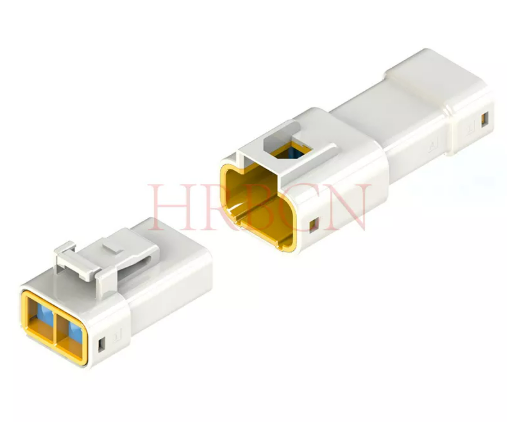
In today’s world, electronics are often exposed to harsh environments. From industrial machinery to outdoor devices, connectors play a vital role in protecting sensitive components. One such connector, the IP67 connector, is designed to safeguard against dust and water, ensuring reliable performance.
In this article, we’ll explore what IP67 connectors are, their applications, benefits, and limitations. By the end, you’ll understand how these connectors can help protect your equipment in challenging conditions.
Understanding IP Ratings
What Does IP Stand for?
The term "IP" stands for Ingress Protection, which refers to the level of protection a device or connector has against the intrusion of solids (such as dust) and liquids (such as water). The IEC 60529 standard outlines the classification system used to determine this protection. It uses a two-digit code: the first digit indicates protection against solid objects, while the second digit specifies the level of water resistance.
For example, IP67 is a common rating, with the first digit (6) representing dust-tight protection, and the second digit (7) indicating protection against immersion in water up to 1 meter deep for a duration of 30 minutes. This makes IP67 connectors particularly useful in environments where equipment might be exposed to dust, rain, or temporary submersion in water.
The Meaning Behind IP67
The IP67 rating is often misunderstood as a guarantee of complete waterproofing, but it’s important to clarify the differences between waterproof and water-resistant. While IP67 connectors are resistant to water immersion up to 1 meter for a short duration, they are not designed for continuous underwater use. The protection is sufficient for scenarios like light rain or accidental drops into shallow water, but not for prolonged submersion.
The first digit of IP67, 6, denotes that the connector is completely dust-tight, offering full protection against dust ingress. This makes IP67 connectors ideal for environments where dust accumulation could cause short circuits or damage to the internal components of a device. The second digit, 7, ensures that the connector can handle water immersion up to 1 meter for up to 30 minutes, providing protection against water exposure during brief incidents.
How IP67 Connectors Protect Against Environmental Factors
IP67 connectors are designed to withstand the rigors of harsh environments by providing dust-tight and water-resistant protection. The dust-tight feature ensures that no dust particles can enter the connector, protecting the internal components from corrosion and malfunction caused by dust accumulation. The water resistance feature ensures that the connectors can function properly even if they are exposed to water, as long as the exposure is brief and within the specified depth.
In industries like construction, manufacturing, and marine environments, equipment is often exposed to challenging conditions. IP67 connectors are ideal for these settings, ensuring that critical electrical connections remain intact even when exposed to the elements.
Applications of IP67 Connectors
Industrial Applications
IP67 connectors are widely used in industrial machinery and manufacturing equipment. These environments often involve exposure to dust, moisture, and other environmental factors that can damage sensitive electronic components. IP67 connectors provide a reliable solution by ensuring that electrical connections remain intact, even in dusty or wet conditions. They are used in automation systems, heavy-duty machinery, and other industrial applications where rugged and reliable connectors are needed.
Outdoor and Marine Equipment
Another key application for IP67 connectors is in outdoor electronics and marine equipment. Equipment like security cameras, LED lights, and GPS devices that are used in outdoor or marine environments require connectors that can withstand exposure to the elements. IP67 connectors offer protection against dust and rain, ensuring the devices continue to function properly even in challenging weather conditions. Whether it's a GPS system used for hiking or a marine radar system, IP67 connectors provide peace of mind that the equipment will remain operational despite environmental challenges.
Consumer Electronics and Automotive Industry
In the consumer electronics and automotive industries, IP67 connectors are commonly used to protect devices such as smartphones, GPS units, and automotive sensors. These devices often need to function in environments where they may be exposed to dust, moisture, or accidental drops into water. IP67 connectors ensure that these devices remain operational, even if they encounter brief exposure to water or dust. This makes them a popular choice for electronics that require durability and reliability in everyday use.
Industry | Application | Why IP67 is Important |
Industrial Machinery | Heavy equipment exposed to dust and moisture | Ensures long-term durability and protection from environmental factors |
Outdoor Electronics | GPS devices, security cameras, outdoor lighting | Protects against dust and rain exposure |
Automotive | Automotive sensors, electrical systems in vehicles | Prevents water ingress and dust, ensuring reliability |
Advantages of IP67 Connectors
Durability in Harsh Environments
One of the primary benefits of IP67 connectors is their durability in harsh environments. The combination of dust-tight protection and water resistance ensures that connectors remain functional even in environments exposed to dust, rain, or temporary submersion in water. This makes them an essential component in industries that rely on continuous operation in challenging conditions, such as construction, marine, and outdoor activities.
Reducing Maintenance and Downtime
Another advantage of IP67 connectors is their ability to reduce maintenance and downtime. In industries where equipment failure can lead to costly repairs or delays, having connectors that can withstand environmental factors significantly lowers the risk of failure. The robust design of IP67 connectors ensures that devices remain functional, reducing the need for frequent repairs or replacements and minimizing downtime.
Versatility in Different Applications
IP67 connectors are also highly versatile and can be used across various industries, from industrial automation to consumer electronics. Their ability to withstand dust, moisture, and temporary water immersion makes them suitable for a wide range of applications, from outdoor equipment to automotive sensors. This versatility ensures that IP67 connectors can meet the needs of diverse industries while providing reliable performance in challenging environments.
Advantages | Limitations |
Dust-tight, preventing damage from fine particles | Not suitable for prolonged water immersion beyond 1 meter |
Water resistance up to 1 meter for 30 minutes | Limited to shallow water exposure (up to 1 meter depth) |
Reduces maintenance costs and downtime | Not designed for high-pressure water environments |
Limitations of IP67 Connectors
Not Suitable for Prolonged Water Exposure
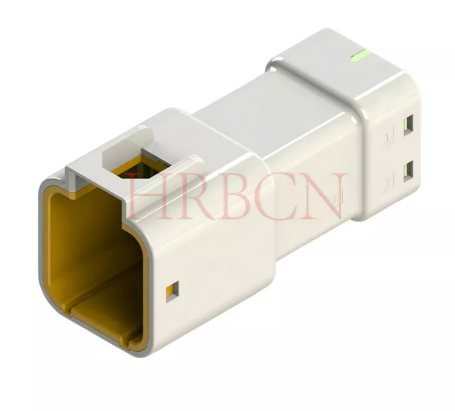
Despite their impressive water resistance, IP67 connectors are not designed for prolonged water immersion. The rating allows for protection against immersion up to 1 meter deep for a duration of 30 minutes, but beyond that, the connector may experience water ingress. For applications requiring longer or deeper water exposure, connectors with a higher IP rating, such as IP68, would be more appropriate.
Environmental Conditions That Exceed IP67 Capabilities
In certain extreme conditions, IP67 connectors may not provide sufficient protection. For instance, high-pressure water jets or environments with extreme water temperatures may exceed the protection offered by an IP67 connector. In such cases, connectors with higher ratings, such as IP68 or IP69K, would be necessary to ensure complete protection.
Choosing the Right IP Rating: IP67 vs. IP68
IP68: A Step Up in Protection
While IP67 connectors are ideal for most applications involving exposure to dust and water, IP68 connectors offer an additional level of protection. IP68 connectors are designed to withstand prolonged immersion in water beyond 1 meter, making them suitable for applications where continuous submersion is expected. If your equipment will be exposed to conditions that require long-term water immersion, IP68 connectors are the better choice.
How to Choose Between IP67 and IP68
When choosing between IP67 and IP68 connectors, consider the environmental conditions your equipment will face. If your equipment will only encounter brief exposure to water or dust, IP67 connectors will suffice. However, for environments where prolonged exposure to water is a concern, such as underwater cameras or marine sensors, IP68 connectors are more appropriate.
How to Maintain IP67 Connectors
Installation and Sealing Tips
Proper installation is key to ensuring that IP67 connectors provide the maximum level of protection. It’s important to ensure that connectors are correctly sealed during installation, as any gaps or improper sealing can compromise their effectiveness. Regularly check seals and gaskets to ensure that the connectors maintain their IP67 rating.
Maintenance to Ensure Long-Term Protection
To maintain the effectiveness of IP67 connectors, regular inspection and cleaning are essential. Over time, dirt, moisture, or salt can build up on the connectors, potentially damaging their seals and compromising their protection. Periodically clean the connectors to remove any debris and ensure that the sealing mechanism remains intact.
Conclusion
In conclusion, IP67 connectors are essential for ensuring the durability and reliability of electronic systems in harsh environments. Their dust-tight and water-resistant properties make them ideal for industries like industrial automation, outdoor equipment, and consumer electronics. Understanding the advantages and limitations of IP67 connectors helps you choose the right product for your needs, keeping your equipment operational in challenging conditions. Shenzhen Haiyuncheng Electronic Co., Ltd. provides high-quality IP67 connectors that offer robust protection, ensuring long-lasting performance in demanding environments.
FAQ
Q: What are IP67 connectors?
A: IP67 connectors are electrical connectors designed to provide protection against dust and water. They are rated to be dust-tight and can withstand immersion in water up to 1 meter for 30 minutes.
Q: Why are IP67 connectors important?
A: IP67 connectors are crucial for protecting electronic systems in harsh environments. They ensure reliability by preventing dust and water from damaging sensitive components.
Q: How do IP67 connectors differ from other IP-rated connectors?
A: Unlike connectors with lower IP ratings, IP67 connectors offer full dust protection and water resistance up to 1 meter deep, making them more reliable in extreme conditions.
Q: Where can I use IP67 connectors?
A: IP67 connectors are commonly used in industries like automation, outdoor equipment, and marine applications, where protection from dust and water is essential for equipment longevity.
Q: Can IP67 connectors be used underwater?
A: While IP67 connectors can handle brief submersion in water up to 1 meter deep, they are not designed for prolonged underwater use. For deeper immersion, consider IP68 connectors.


