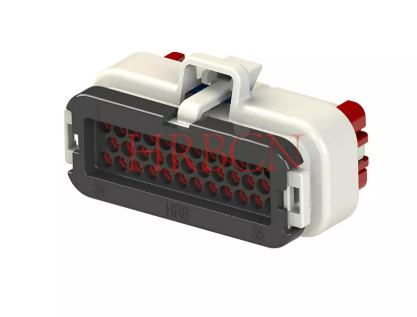
Introduction
When choosing electronics for tough environments, knowing the limits of their water resistance is crucial. Ever wondered how long IP67 connectors can stay submerged in water? In this article, we’ll dive into the specifics of the IP67 rating, particularly how long these connectors can resist water immersion. You’ll discover the real-world scenarios where IP67 offers reliable protection and the limits to be aware of.
Understanding IP67 Connectors
What Does IP67 Mean?
The "IP" in IP67 stands for Ingress Protection, a standardized rating system designed to measure the degree of protection a device provides against the intrusion of solid objects and liquids. The first digit in an IP rating refers to protection against solids, and the second digit indicates protection against liquids.
In the case of IP67, the "6" means the device is dust-tight, offering complete protection against dust and other solid particles. The "7" indicates the device is protected against temporary immersion in water, up to a depth of 1 meter, for a duration of up to 30 minutes. This combination of protection against dust and water makes IP67 connectors suitable for many challenging environments.
How IP67 Connectors Handle Water Immersion
IP67 connectors are designed to withstand water immersion for brief periods, typically up to 30 minutes at a depth of 1 meter. This makes them ideal for situations where devices may accidentally fall into water or be exposed to heavy rain. For example, a smartphone with an IP67 rating can be dropped in a pool or exposed to a heavy downpour without immediate damage. However, it is important to remember that IP67 is not meant for continuous submersion.
Devices with IP67 ratings should not be submerged in water beyond the specified depth or for a prolonged period. The protection provided is intended to protect against short, accidental exposures, not continuous water immersion.
Key Factors Impacting the Duration of Water Resistance
Water Depth and Duration
The IP67 rating guarantees protection from water immersion at a depth of up to 1 meter. If the device is submerged beyond this depth, the sealing effectiveness may decrease, and water could potentially seep into the device. Additionally, the 30-minute limit is crucial—beyond this duration, the protection offered by the rating diminishes, and prolonged exposure can lead to water damage.
The depth of water exposure plays a critical role in determining the level of protection a device with an IP67 rating can provide. While it can handle short periods of submersion, it is not designed for deep water or extended immersion.
Water Temperature and Pressure
Water temperature and pressure can significantly affect the performance of IP67 connectors. Hot water, for example, can weaken the seals or cause the materials to degrade more quickly. Similarly, increased water pressure from deeper submersion or strong water jets can exceed the capabilities of the IP67 rating.
Devices rated with IP67 are tested under controlled conditions, but real-world applications may present scenarios that exceed the test parameters, such as high water temperatures or pressures from heavy rain or flowing water.
Type of Water Exposure: Still vs. Moving Water
IP67 connectors are designed to withstand immersion in still water, but they may not perform as well in moving water. The forces created by moving water, such as strong currents, can increase the risk of water seeping into the device. In environments where water is continuously moving, such as rivers or oceans, a higher level of protection may be needed.
When selecting a device for use in environments with moving water, it is important to understand the limits of IP67 and assess whether other ratings, such as IP68, are more suitable.
Condition | Effect on IP67 Connectors | Duration | Remarks |
Temporary immersion | Fully protected | 1 meter for 30 minutes | Ideal for brief exposure in water |
Prolonged exposure | Risk of water damage | >30 minutes | Exceeding the rated time/depth may cause leakage |
Still water vs. moving water | Optimized for still water | N/A | Less effective in fast-moving water, such as rivers |
How Does IP67 Compare to Other Ratings for Water Resistance?
IP67 vs. IP68
While both IP67 and IP68 provide excellent dust protection (level 6), the main difference lies in their water resistance capabilities. IP67 connectors can handle temporary immersion at depths up to 1 meter for 30 minutes. In contrast, IP68 is rated for continuous immersion in water beyond 1 meter, often specified by the manufacturer for a certain depth and duration.
For devices exposed to more extreme conditions or requiring prolonged submersion, IP68 may be the better choice. However, for everyday use where short immersion or exposure to water is expected, IP67 is generally sufficient.
IP67 vs. IP65
IP65 connectors, like IP67, offer complete protection against dust, but their water resistance differs. IP65 is rated to withstand low-pressure water jets, but it cannot handle submersion like IP67. Therefore, IP65 is ideal for devices exposed to splashes or light rain, but IP67 provides superior protection for temporary immersion.
When deciding between IP67 and IP65, it is important to consider the potential exposure to water. If the device is only expected to endure light sprays or rain, IP65 may be enough. If the device is at risk of accidental submersion, IP67 is the better option.
IP Rating | Water Protection Level | Immersion Depth | Time Limit | Usage |
IP67 | Temporary immersion | 1 meter (3.3 feet) | 30 minutes | Suitable for accidental submersion, outdoor devices |
IP68 | Continuous immersion | >1 meter (depends on manufacturer) | Continuous submersion | Ideal for devices that need to be submerged for longer durations |
IP65 | Water jets (low pressure) | Not submerged | Not specified | For devices exposed to rain, but not immersed |

Real-World Applications of IP67 Connectors in Water Exposure
Consumer Electronics
IP67 connectors are commonly found in consumer electronics like smartphones, smartwatches, and Bluetooth speakers. These devices benefit from the ability to withstand rain, splashes, or brief immersion in water, ensuring they remain functional in everyday situations. For instance, if a smartphone with an IP67 rating is dropped in a pool, it can survive the immersion for up to 30 minutes without suffering water damage.
Industrial and Outdoor Equipment
In industrial settings, IP67 connectors are used in devices exposed to harsh environmental conditions, such as factories, construction sites, and outdoor sensors. These devices often face dust, moisture, and occasional water immersion. The ability of IP67 connectors to prevent water damage while maintaining functionality makes them a reliable choice for machinery and equipment used in these environments.
Marine and Outdoor Applications
Marine electronics and outdoor surveillance systems also use IP67-rated connectors to ensure their protection against water. These connectors are essential in environments where devices may encounter rain, splashes, or brief immersion in water, such as during boating or outdoor surveillance in areas prone to wet conditions.
Industry/Application | Common Use of IP67 Connectors | Example Devices |
Consumer Electronics | Protection against accidental water immersion | Smartphones, Wearables |
Industrial Equipment | Prevents water damage in harsh environments | Factory sensors, Outdoor machinery |
Marine & Outdoor Applications | Ensures reliability in wet conditions | Marine electronics, Outdoor cameras |
Limitations of IP67 in Water Immersion
Submersion Beyond 1 Meter
One of the main limitations of IP67 connectors is their inability to withstand submersion deeper than 1 meter. For applications requiring devices to be submerged for longer durations or at greater depths, IP67 connectors are not suitable. In these cases, devices with IP68 ratings or other high-performance sealing solutions may be necessary to provide adequate protection.
Continuous Water Exposure
Although IP67 offers protection against water immersion for up to 30 minutes, it is not designed for continuous exposure to water. Prolonged immersion, especially beyond the rated depth or duration, can cause water to seep into the device, leading to potential failure. For devices exposed to continuous water or more extreme conditions, choosing a device with a higher IP rating may be more appropriate.
Conclusion
IP67 connectors offer robust protection against dust and water, making them ideal for outdoor and industrial use. They can resist water immersion up to 1 meter deep for 30 minutes, ensuring reliable performance in wet or rainy environments. However, their protection is limited to this depth and duration. For more extreme conditions or continuous submersion, higher IP ratings like IP68 are recommended. When selecting connectors, it's important to assess water exposure risks to ensure the device's durability and functionality. Shenzhen Haiyuncheng Electronic Co., Ltd. offers high-quality connectors that provide excellent water resistance, ensuring the reliability of your equipment in demanding environments.
FAQ
Q: How long can IP67 connectors stay in water?
A: IP67 connectors are designed for temporary water immersion up to 1 meter deep for 30 minutes. Prolonged exposure beyond this can lead to water damage.
Q: Can IP67 connectors handle high-pressure water?
A: No, IP67 connectors are not suitable for high-pressure water exposure. They are rated for immersion, not water jets.
Q: Are IP67 connectors waterproof?
A: IP67 connectors are water-resistant, providing protection against temporary immersion, but not continuous submersion beyond 1 meter for 30 minutes.
Q: What makes IP67 connectors suitable for outdoor use?
A: IP67 connectors are dust-tight and can withstand temporary water immersion, making them ideal for outdoor electronics exposed to rain and humidity.
Q: How do IP67 connectors compare to IP68 for water resistance?
A: While IP67 connectors offer protection against immersion up to 1 meter for 30 minutes, IP68 connectors provide continuous submersion beyond that, offering higher water resistance.


