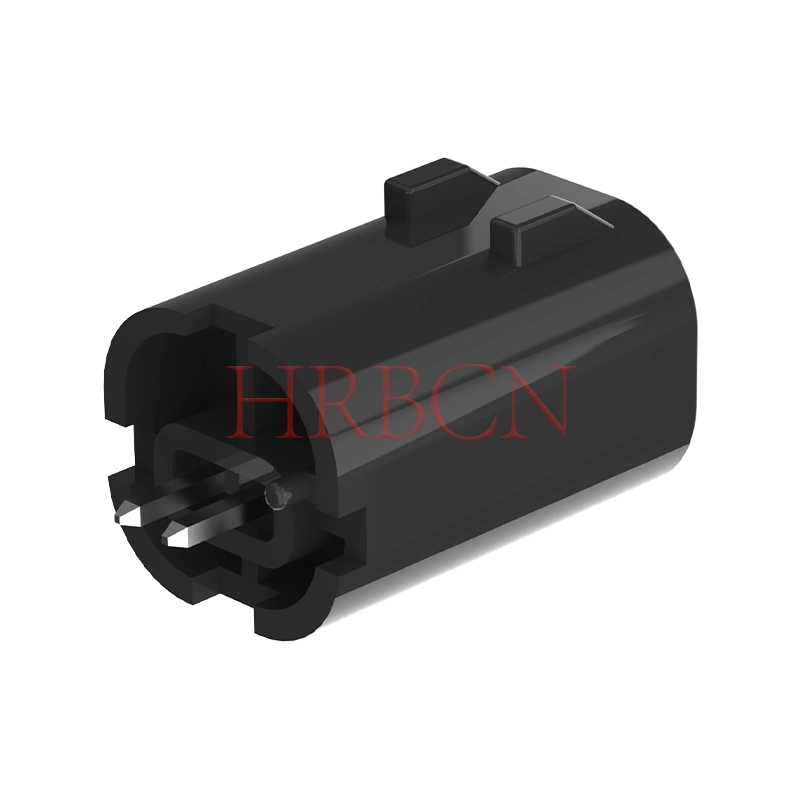
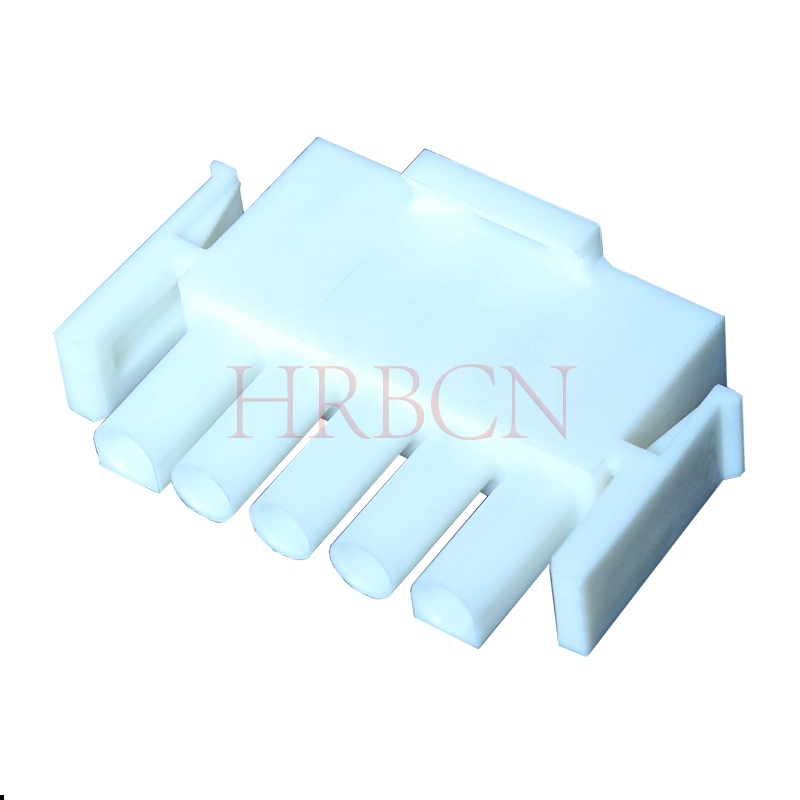
Anyone can make safe connections using wire to wire connectors. It’s important to follow careful steps when working with wire to wire connectors. Choosing the right wire to wire connectors is crucial, as the wrong size or type can lead to loose connections. Loose connections may cause wires to overheat or even start a fire. Properly preparing the wire before using wire to wire connectors helps ensure a strong and secure bond. Safety should always come first. Always check for proper grounding and avoid mistakes during installation with wire to wire connectors.
Safety Incident | Description |
Loose Connectors | Using the wrong size or type of wire to wire connectors can make wires overheat and cause fires. |
Improper Grounding | Not connecting ground wires correctly with wire to wire connectors can cause shocks and unsafe conditions. |
Installation Mistakes | Errors during installation of wire to wire connectors can result in overheating and fires. |
Beginners should twist wires together before applying wire to wire connectors. Keep all connections dry and test everything thoroughly before finishing the job. Following these steps helps ensure that everyone can rely on their wire to wire connectors for safe, long-lasting use.
Key Takeaways
Pick the right wire to wire connectors. This helps stop overheating and fires.
Get wires ready by removing insulation. Check wires for any damage.
Twist wires together before using connectors. This makes the bond stronger.
Use the correct connector type for the job. Some types are twist-on, crimp, push-in, or soldered.
Make sure the wire gauge matches the connector. This keeps connections safe and secure.
Do a tug test after you install the connector. This checks if the connection is tight and reliable.
Look at the connections to see if there is damage or corrosion. Do this before you finish the job.
Keep wires neat and organized. This lowers accident risks and makes repairs easier later.
Choosing Wire to Wire Connectors
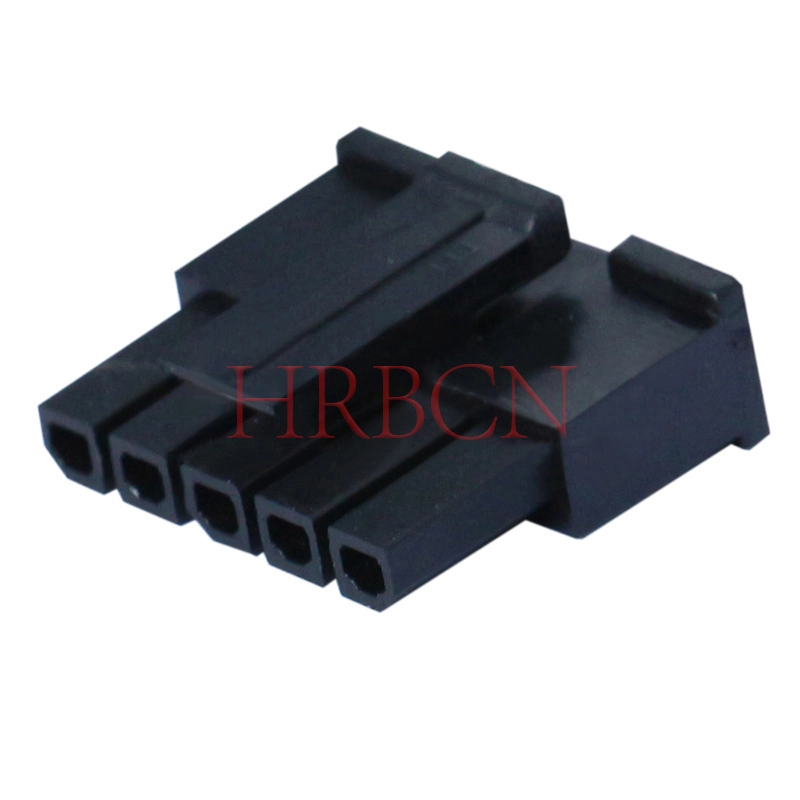
Picking the right connector makes electrical work safer and simpler. There are many choices, but not every connector works for every job. Here are the main types and what you should think about before picking one.
Connector Types
Twist-On
Twist-on connectors look like small caps. People use them a lot in homes for things like light switches and outlets. You twist the wires together and screw the cap on top. This makes the connection tight and safe.
Crimp
Crimp connectors have a metal sleeve. You put the wires inside and squeeze the sleeve with a crimping tool. This works for both solid and stranded wires. Crimp connectors are common in cars and factories.
Push-In
Push-in connectors let you push wires straight in. You do not need to twist or crimp. These connectors save time and make your hands less tired. Electricians use them for branch circuits and quick fixes.
Soldered
Soldered connections use melted metal to join wires. This makes a strong and lasting bond. People use soldered connections in electronics or places with lots of shaking.
Tip: Always pick the connector that matches the job. For example, use heavy-duty twist-on connectors for big wires in HVAC systems.
Selection Factors
Wire Gauge
Wire gauge is how thick the wire is. Each connector shows what wire sizes it fits. Using the wrong size can make the connection loose or weak. Color caps help you pick the right size fast.
Load Rating
Every connector has a load rating. This tells how much current it can handle safely. If you use a connector with a low rating on a strong circuit, it can get too hot. Always read the label before you start.
Environment
Some jobs need connectors that can handle tough places. For example, waterproof connectors are best outside or in wet spots. In places with lots of movement, pick connectors that pass vibration and shock tests. This keeps wires from coming loose and keeps things safe.
Application Type | Connector Type | Description |
Residential Work | Twist-on connectors | Common for light switches, receptacles, and everyday installations. |
| Push-in connectors | No-twist design for easier branch circuitry connections. |
Commercial/Industrial | Heavy twist-on connectors | For larger wires and complex systems, like multi-gang switch boxes and HVAC. |
| Lever connectors | Good for many connections, reducing hand strain. |
Common Selection Mistakes
Many people make mistakes when picking wire to wire connectors. The biggest mistake is not checking if the wire gauge matches. Using the wrong size means the connection will not be safe or strong. Another mistake is using connectors for solid wire on stranded wire, or the other way around. This can make wires slip out or not touch well.
Mistake | Problem | Solution | Best Practice |
Ignoring Wire Gauge Compatibility | Insufficient grip or compression leads to unsafe connections | Verify wire gauge before installation | Color-code inventory and keep a compatibility chart at the work site |
Note: Picking the wrong connector can cause fires, shocks, or break your appliances. Always check the connector type, wire gauge, and where you will use it before you start.
Preparing Wires
Getting wires ready is a very important step before using wire to wire connectors. Good preparation makes each connection safe, strong, and last a long time. Here are some easy steps anyone can follow.
Stripping Insulation
Taking off insulation from wires sounds easy, but you need to be careful and use the right tools. If you take off too much or too little, the connection might not work well. Wires that get damaged can make loose connections or even short circuits.
Tools Needed
Wire strippers (manual or automatic)
Utility knife (for special cases)
Pliers (for twisting wires together)
Safety glasses
Tip: Always pick wire strippers that fit the wire gauge. This keeps the conductor safe and gives a neat cut.
Clean Stripping Technique
A clean strip means you only remove enough insulation and do not hurt the metal inside. Here is a simple guide:
Measure how much insulation to take off (about 1/2 inch).
Put the wire in the right slot on the wire stripper.
Squeeze the handles and pull off the insulation in one smooth move.
Look at the wire to check for any cuts or nicks.
If you strip wires the wrong way, you can have problems like:
Wires that slip out of connectors
Short circuits that may start fires
Bad electrical contact, which can cause overheating
Bad electrical wiring is a top reason for structure fires. It causes almost a third of all reported cases. Using wire strippers and a clean method helps stop these risks and keeps connections safe.
Inspecting Wire Ends
Always check the ends of wires before connecting them. Wires that are damaged or rusty can ruin even the best connection.
Damage or Corrosion
Look closely at the wire you can see. Watch out for:
Here is a quick checklist for checking wires:
Visual Check: Look for odd colors, broken strands, or strange marks.
Mechanical Check: Gently pull the wire to see if it feels weak or breaks.
Electrical Test: Use a tester to make sure the wire carries electricity.
If the wire looks bad or rusty, cut it back to fresh metal before you connect it. This step helps stop loose connections and keeps things safe.
Organizing Wires
Neat wires do more than just look nice. They help keep everyone safe and make repairs easier later. Organized wires lower the risk of trips, falls, and electrical fires. They also help stop signal problems and make it easier to find issues later.
Some good ways to organize wires are:
Group wires by what they do or where they go.
Use cable ties or clips to keep wires neat.
Keep wires away from sharp edges and moving things.
Leave a little extra wire for changes in the future.
Neat wires stay cooler because air can move around them. This lowers the chance of overheating and helps electronics last longer.
Note: Twist wires together clockwise before adding connectors to make the connection stronger. For solid and stranded wires, let the stranded wire stick out a little more. This helps both wires grip inside the connector. Using pliers to twist wires gives better contact and a tighter fit.
By following these steps, anyone can get wires ready for safe and strong connections with wire to wire connectors.
Using Twist-On Connectors
Wire Preparation
He starts by turning off the power at the circuit breaker. Safety comes first every time. She grabs a wire stripper and checks the wire gauge. The right tool makes the job easier and keeps the wire safe. They snip off the old wire ends if they look twisted or damaged. Fresh copper works best for a strong connection.
Here’s a simple checklist for preparing wires:
Strip off about 1 inch of insulation from each wire end.
Match the stripped length to the number of wires and the connector size.
Avoid exposing bare wire beneath the connector after installation.
Use the labeled groove on the wire stripper for the correct wire size and type.
Check the copper for nicks or gouges. Smooth, clean copper gives the best results.
Tip: Never strip too much insulation. Bare wire outside the connector can cause arcing or overheating.
Twisting Wires
He lines up the stripped wire ends so they sit side by side. She uses pliers to twist the wires together clockwise. Twisting wires tightly helps them stay connected and improves metal-to-metal contact. They make sure the wires feel snug and even. Proper twisting prevents loose connections and keeps the wires from slipping out.
Hold the wires together so the ends match up.
Twist clockwise until the bundle feels firm.
Use pliers for extra grip and a tighter twist.
Check that no copper strands stick out or break.
Note: Twisting wires before adding the connector makes the connection stronger and more reliable.
Installing Connector
He places the twist-on connector over the twisted wire ends. She turns the connector clockwise until it feels tight. The internal spring inside the connector grips the wires and holds them securely. They check that no bare copper shows beneath the connector. If a wire slips out, they remove the connector, re-twist the wires, and try again.
Here’s how to install a twist-on connector:
Place the connector over the twisted wires.
Turn it clockwise until it feels snug and secure.
Tug gently on each wire to make sure none come loose.
Confirm that the connector matches the wire gauge and number of wires.
Tuck the connected wires neatly into the electrical box.
Step | What to Check | Why It Matters |
Tightness | Connector feels snug | Prevents loose connections |
No Bare Copper | No copper visible outside connector | Stops arcing and overheating |
Compatibility | Connector fits wire gauge and quantity | Ensures safe, lasting results |
⚡ Always check the manufacturer’s guide for connector compatibility. Using the right connector keeps wire to wire connectors safe and reliable.
Checking Connection
After installing a twist-on connector, everyone should double-check the connection before moving on. A good check helps prevent problems and keeps the circuit safe. Here’s a simple way to make sure everything is right.
Tug Test
He gives each wire a gentle tug. None of the wires should slip out or feel loose. If a wire moves, he removes the connector and starts over. A secure connection means the wires stay in place.
Visual Inspection
She looks closely at the connector. No bare copper should show below the cap. The connector should sit straight and cover all the twisted wires. If she sees any exposed wire, she trims and re-twists for a better fit.
Check for Tightness
They turn the connector by hand to see if it feels snug. Over-tightening can damage the wires or the connector. Under-tightening can leave the wires loose. The connector should feel firm but not forced.
Wire Compatibility
He checks that all wires inside the connector match the size range listed on the package. Using the wrong wire gauge can make the connection weak. She also makes sure not to mix solid and stranded wires unless the connector allows it. Mixing wire types can cause uneven pressure and poor contact.
Final Safety Check
They make sure the connector is rated for the job. If the wires carry a heavy load, the connector must handle it. She checks the label for the right voltage and current rating.
⚠️ Common issues found during this step include over-tightening, under-tightening, mixing solid and stranded wires, and using connectors outside their rated gauge. These mistakes can lead to loose connections, overheating, or even fire.
What to Check | Why It Matters |
No loose wires | Prevents accidental disconnection |
No bare copper showing | Reduces risk of arcing or short circuits |
Correct tightness | Ensures safe, long-lasting connection |
Proper wire types | Maintains even pressure and good contact |
Right wire gauge | Keeps the connection strong and reliable |
A careful check at the end helps everyone trust their wire to wire connectors for safe, everyday use.
Using Crimp Connectors
Crimp connectors give strong, reliable joins for many electrical jobs. They work well for cars, appliances, and even home wiring. He can use them when he wants a fast, solid connection that will not come loose.
Wire Preparation
She always starts by getting the wires ready. Good prep means a better connection. Here’s a simple way to do it:
Cut the wire to the right length. Make sure the end is clean and straight.
Strip off about 1/4 to 1/3 inch of insulation. She uses a wire stripper and takes care not to nick or cut the copper strands.
If the wire is stranded, he twists the strands together. This keeps them neat and helps them fit into the connector.
He checks for any stray strands. All the copper should stay together, with no loose ends.
Tip: Never rush this step. Clean, undamaged wire makes the crimp connector grip better and last longer.
Inserting and Crimping
Now, they move on to the main steps. She picks a crimp connector that matches the wire gauge. The right size matters for a tight fit.
Insert the wire into the connector. Push it in until the insulation touches the barrel. No bare wire should stick out.
Check for stray strands. All copper must stay inside the connector.
Place the connector in the crimping tool. Line it up with the correct slot for the connector type.
Squeeze the handles firmly. The tool should press down hard enough to make a deep, even mark on the connector.
If the connector has a heat-shrink sleeve, he slides it over the crimp and uses a heat gun to seal it. This step keeps out water and adds strength.
Note: She always tests the connection with a multimeter if she wants to be extra sure. A good crimp shows low resistance and stays stable.
Inspecting Crimp
He never skips the final check. A quick look can catch problems before they cause trouble. She uses this table to know what to look for:
Check Point | What to Look For (Good Crimp) | What to Avoid (Bad Crimp) |
Physical Tug Test | The wire and connector feel solid, with no movement. | Any wiggle, looseness, or the wire pulls out. |
Die Imprint | A deep, clear, and uniform mark from the crimping tool. | A faint, crooked, or incomplete mark. |
Wire Strands | All copper strands stay inside the connector barrel. | Stray strands sticking out, which can cause shorts. |
Insulation Crimp | The insulation has a slight flare for strain relief. | Insulation is punctured, cracked, or not held securely. |
Terminal Body | The barrel is indented but not cracked or crushed. | Cracks, splits, or a crushed look from too much force. |
If he finds any of these problems, he cuts off the connector and starts again. She knows that careful work with wire to wire connectors means fewer headaches later.
Using Push-In Connectors
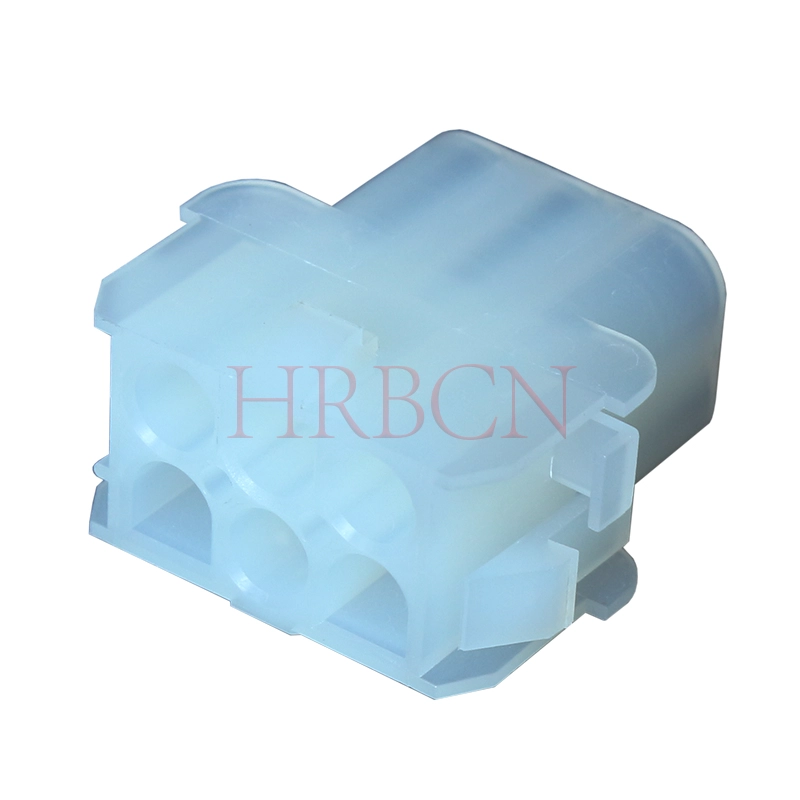
Wire Preparation
He always starts by turning off the power. Safety comes first. She grabs her wire stripper and checks the wire gauge. Push-in connectors work best when the wire matches the connector’s size range. If the wire is too thick or too thin, the connection will not hold well. They know that using the right wire gauge makes the job easier and the connection more reliable.
Here’s a simple step-by-step guide for getting wires ready:
Strip about 11 millimeters (0.43 inch) of insulation from the end of each wire.
Make sure the conductor size fits the connector’s range. Most push-in connectors support 0.08 to 2.5 mm² for solid or stranded wire. Some can handle up to 4 mm² if the wire has a ferrule.
Check the stripped end. It should look clean, with no nicks or bent strands.
Keep the wire ends straight. Bent or frayed wires can cause a weak connection.
Tip: He always double-checks the length of the stripped wire. Too much bare wire can cause shorts. Too little can make the connection loose.
Inserting Wires
She lines up the stripped wire with the opening on the push-in connector. He pushes the wire straight into the hole. The connector’s spring grabs the wire and holds it tight. They feel a little resistance as the wire slides in, then a gentle “click” as it locks in place.
Push the wire in until the insulation touches the connector body.
Make sure no bare copper shows outside the connector.
If the connector has a lever, press it down to lock the wire.
He likes how easy push-in connectors make the job. There’s no twisting or crimping. She can connect several wires quickly, which saves time on big projects. They use push-in connectors for light fixtures, outlets, and other home wiring jobs.
Note: If they need to remove a wire, they press the blue booster lever or pull gently while holding the connector. This releases the spring and lets the wire slide out.
Verifying Fit
They always check each connection before moving on. A good fit means the wire stays put and the circuit works safely. He gives each wire a gentle tug. If the wire stays in place, the connection is solid. If it slips out, he removes it and tries again.
She looks for these signs of a good fit:
Checkpoint | What to Look For |
Wire Security | Wire does not pull out easily |
Insulation Fit | No bare copper outside connector |
Connector Match | Wire gauge matches connector size |
He uses the built-in testing terminal on some push-in connectors. This lets him check voltage or continuity without removing the wire. She likes this feature because it saves time and helps her spot problems early.
✅ Push-in connectors make wire to wire connectors simple and safe for everyone. They help beginners and pros get strong, reliable connections every time.
Soldered Connections
Soldered connections give the strongest and most permanent bond for joining wires. Many people use this method for electronics, car repairs, or places where vibration might loosen other connectors. Soldering takes a little practice, but anyone can do it with the right steps.
Wire Preparation
Getting wires ready is the first step. Clean, well-prepared wires help solder flow and stick better. Here’s a simple guide:
Measure how much insulation to remove. For most jobs, expose about 1.5 mm of bare wire.
Use a wire stripper that matches the wire size. This keeps the copper strands safe.
After stripping, twist the strands gently so they stay together.
Clean the bare wire with isopropyl alcohol. This removes dirt and oil that stop solder from sticking.
Brush on a thin layer of soldering flux. Flux helps the solder flow and keeps the joint clean.
Pre-tin the wire. Heat the wire and add a little solder until it covers the copper with a shiny layer.
These steps make sure the solder sticks well and the connection stays strong. Clean, tinned wires also stop rust and help electricity flow better.
Soldering Steps
Soldering wires together needs patience and the right technique. Rushing can lead to weak joints. Here’s how he does it:
Hold the two wires so they overlap or twist together.
Heat the joint with a soldering iron until both wires get hot.
Touch the solder to the wires, not the iron. The solder should melt and flow into the joint.
Remove the iron and let the joint cool without moving it.
The quality of a soldered joint depends on how clean the wires are, how well they overlap, and if the heat spreads evenly. Good soldering means no cold spots or gaps.
Proper soldering makes wire to wire connectors more reliable.
Skipping steps or using too little heat can cause weak spots.
Following best practices leads to better performance and longer-lasting connections.
Insulating Joint
After soldering, the bare joint needs insulation. This keeps the connection safe and stops shorts.
Slide heat shrink tubing onto the wire before soldering. After the joint cools, move the tubing over the soldered spot.
Use a heat gun to shrink the tubing until it fits tight.
If heat shrink is not available, wrap the joint with electrical tape. Cover all bare metal.
Insulation Method | How to Use | Why It Matters |
Heat Shrink Tubing | Slide on before soldering, shrink after cooling | Best for strong, neat finish |
Electrical Tape | Wrap after soldering and cooling | Good for quick repairs |
Insulating soldered joints protects against short circuits and keeps the wires from breaking where they join.
Soldered connections take a little more time, but they give the most solid and lasting results for wire to wire connectors.
Checking Reliability
Visual Inspection
He always starts with a careful look at each connection. She knows that a good visual check can catch most problems before they become serious. They look for cuts in the wire jacket, crushed spots, or tight bends. Any heat marks or signs of corrosion at the ends of the wires stand out as warning signs. He checks for kinks or other clues that show stress on the wires. She makes sure every connector sits straight and covers all the bare copper.
Here’s a quick table to help remember what to look for:
Method | Description |
Visual checks | Look for jacket cuts, crushed spots, tight bends, heat marks, and corrosion. |
Electrical testing | Use tools to check for continuity, resistance, and insulation problems. |
Advanced NDT | Use special tools like TDR or X-ray for hidden issues. |
External clues | Watch for kinks or corrosion that show stress or possible breaks. |
Tip: He uses a flashlight to see inside electrical boxes. She always checks both sides of each connection.
Tug Test
He pulls gently on each wire after installing the connector. She calls this the tug test. This simple step checks if the connection can handle real-world stress. If a wire slips out, the connection is not safe. They know that a good connection should stay strong even when pulled.
The tug test works best when he pulls at a steady rate. Jerking the wire can give a false result. She checks the wire size and knows that standards set a minimum pull force for each size. They want their connections to handle more than the minimum, so they test with care.
Pull each wire slowly and steadily.
Watch for any movement or slipping.
Repeat for every connection in the box.
If a wire comes loose, he removes the connector and starts over. She never skips this step, even when in a hurry.
Electrical Test
They use a multimeter to check each connection. He sets the tool to continuity mode and touches the probes to both ends of the circuit. If the meter beeps, the connection is complete. She also checks resistance. A low reading means the connection is solid. High resistance can show a loose wire or corrosion.
Other tests help too:
Continuity Testing: Confirms the circuit is complete with no breaks.
High Voltage Testing: Checks if the insulation can handle strong electrical stress.
Resistance Measurement: Finds loose connections or bad wire gauge.
Pull Test: Measures the strength of crimp joints and connectors.
He likes to test every connection before closing up the box. She knows that these steps make wire to wire connectors safe and reliable for everyone.
Insulation Check
Insulation keeps wires safe from danger. He always checks insulation after finishing with wire to wire connectors. She knows damaged insulation can cause big problems. These problems include short circuits or even fires. They look for trouble before closing any box.
Most insulation problems show up during checks. He finds fraying, short circuits, and overheating. She sees fraying when insulation wears out or gets pulled. Short circuits happen if insulation is damaged or water gets inside. Overheating melts insulation when wires carry too much current.
Here are some insulation problems:
Fraying lets the metal wire show.
Short circuits make wires touch and get hot.
Overheating melts insulation and leaves bare spots.
Long use can crack insulation from heat.
Vibration can wear insulation and show the wire.
Water can rust wires and make signals weak.
He uses a checklist to find insulation problems:
Look for shorts or failed tests that show bad insulation.
Use a tester to see if wires touch when they should not.
Bend wires to see if the insulation cracks.
Do not trust insulation where wires get squeezed. She adds tubing where wires rub on connectors.
Tip: She always checks for melted insulation. Melted spots mean the wire got too hot. He fixes this by using thicker wire or lowering the load.
They test insulation with simple tools like testers. He touches both ends of the wire with the probes. If the tester beeps, there is a short. She checks for voltage drops too. A drop over 0.2 volts means bad insulation or loose wires.
Here is a table with what to check and how to fix it:
Insulation Issue | How to Spot It | How to Fix It |
Fraying | Worn spots, exposed metal | Replace wire, add tubing |
Short Circuiting | Failed continuity test | Cut back, re-insulate |
Overheating | Melted or cracked insulation | Use thicker wire, improve cooling |
Moisture Corrosion | Rust, green color, weak signal | Dry area, use waterproof connectors |
He never skips checking insulation. She knows careful checks keep wire to wire connectors safe. They always fix problems before finishing the job.
He can make safe connections if he picks the right connector. Wires need to be prepared with care before connecting them. Each joint should be checked to make sure it is strong. She always covers wires so no metal shows. This keeps the wires safe and held in place. They look for any damage on the wires. They test outlets to see if they stay cool. Surge protectors help keep things safe from power surges. For outdoor work, they check for water and sun damage. He tests the insulation to find any problems. With these steps, anyone can trust their wire to wire connectors for a long time.
Quick Safety Checklist:
Cover wires fully
Hold wires securely
Check for damage or fraying
Keep outlets cool to the touch
Watch for pinched cords
Use surge protectors
Inspect for moisture or UV issues
FAQ
What is the safest way to connect two wires?
He always turns off the power first. She strips the wires cleanly, twists them together, and uses the right connector. They check the connection with a tug test. Safety comes from careful steps and the correct tools.
Can you mix solid and stranded wires in one connector?
She can mix them if the connector allows it. He makes the stranded wire a bit longer. This helps both wires grip inside the connector. They always check the connector’s instructions before mixing wire types.
How tight should a twist-on connector be?
He turns the connector until it feels snug. She stops when the wires do not move if she tugs them. Over-tightening can damage wires. Under-tightening can make the connection loose.
Why do wires keep slipping out of connectors?
They see this problem when the wire gauge does not match the connector. He checks for damaged or poorly stripped wires. She always uses the right size connector for the job.
Do push-in connectors work for all wire types?
Push-in connectors work best with solid wires. He uses ferrules for stranded wires if the connector allows. She reads the package to see which wire types fit.
How does he test if a connection is reliable?
He uses a multimeter for continuity and resistance. She does a tug test and looks for bare copper. They check for heat or discoloration after turning on the power.
What should she do if she finds damaged insulation?
She cuts back the wire to fresh insulation. He covers the joint with heat shrink tubing or electrical tape. They never leave damaged insulation exposed.
Are wire to wire connectors reusable?
Most connectors are not reusable. He always uses a new connector for each job. She knows that reusing connectors can lead to weak or unsafe connections.


