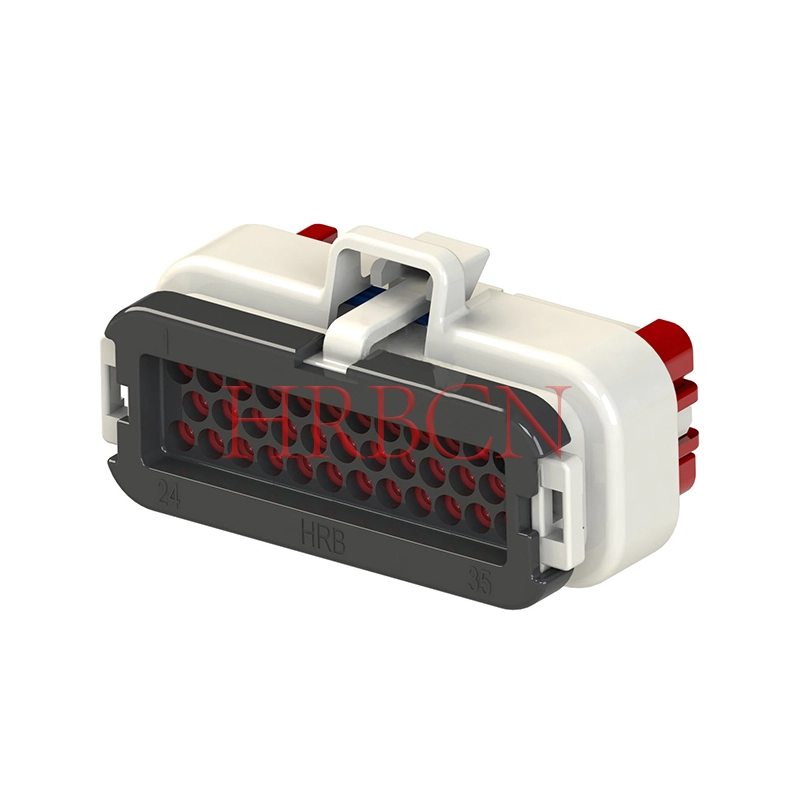
You want wiring in cars to be safe and easy. Crimped connectors for automotive applications work better than soldered ones in tough places. They can handle shaking and changes in temperature. They are strong and keep wires flexible. Soldered connections can break when stressed and need careful work. Crimped connections follow strict rules for automotive connectors, ensuring they last a long time. HRB&HRBCN Connector provides a variety of wire to wire connector choices. Professionals trust them for steady and safe connections.
Key Takeaways
Crimped connectors work better for car wiring because they can handle shaking and changes in temperature. Crimping is faster and simpler than soldering, so it is usually better for most car wiring jobs. Using heat-shrink tubing with crimped connectors gives more protection from water and dirt. Soldered connectors are best in places that do not shake much, like dashboards, where you need a small and tidy joint. Always use the correct crimping tool to make strong connections and stop electrical problems.
Comparison Overview
Crimp vs Solder Summary
When you pick connectors for car wiring, you want to know the differences. Crimped connectors join wires by squeezing them together with a tool. You put the wire into the terminal and press it tight. This makes a small, sealed connection. It keeps out air and water. The connection stays strong even if the car shakes or gets wet. Crimped connectors work well in tough places inside cars. Soldered connectors use melted metal to stick wires together. This makes the joint stiff and hard. In cars, soldered connections can break or come loose from shaking. This happens a lot near engines.
You should also think about how easy each method is. Crimping is quick and simple to learn. You just need a good crimping tool and the right parts. Soldering takes longer and needs steady hands. You have to use a hot iron and heat the wires just right. If you make a mistake, the connection can be weak or the wire can get hurt.
Price is important too. Crimped connectors cost less money. Each crimp is cheaper than a soldered one. Here is a simple chart:
Connector Type | Cost Per Connection |
|---|
Crimp | $0.03 - $0.08 |
Solder | $0.20 - $0.50 |
Crimped connectors also give you the same result every time. If you use the right tool, every crimp looks alike. Soldered joints can look different if your skill changes. To sum up, crimped connectors are more reliable, cost less, and are easier to use for car wiring. Soldered connectors can work sometimes, but they are not as good as crimped ones in cars.
Crimped Connectors for Automotive
How Crimped Connectors Work
Crimped connectors join wires by pressing them together. You use a special tool to squeeze the metal terminal around the wire. This makes the wire and terminal stick tightly. You do not need heat or solder for this process. You can put heat-shrink tubing over the connection for extra safety. The tubing gets smaller when you heat it. It seals the joint from water and dirt. Many technicians use crimped connectors because they are strong and reliable.
Crimping makes a solid bond that can handle shaking and tough conditions.
Using the right tool and method makes your connection stronger.
Heat-shrink tubing helps protect the connection from the outside.
Heat-shrink crimp connectors keep your wiring safe.
Adhesive-lined heat-shrink connectors give good conductivity and extra safety.
HRB&HRBCN Connector has wire to wire connectors for these needs. Their connectors come in different sizes and shapes. You can pick the best one for your project. You get secure connections that work well in cars, trucks, and other vehicles.
Benefits of Crimped Connectors
Crimped connectors have many good points for car wiring. They make strong and lasting joints. You do not need special skills to use them. The process is fast and easy, so you save time.
Crimped connectors are tougher than soldered joints.
They resist moisture better, so there is less risk of rust.
Crimping is quicker and easier than soldering, so you finish faster.
HRB&HRBCN Connector wire to wire connectors are known for quality and reliability. They have important certifications like ISO 9001:2008, UL&cUL, TS16949:2009, VDE, and TUV. These show the connectors meet strict safety and performance rules. You can trust them for Connectors for Automotive because they pass tough tests. The connectors work well even in places with lots of shaking and heat.
Tip: Always use the right crimping tool for your connector. This helps you avoid loose connections and keeps your wiring safe.
Drawbacks of Crimped Connectors
There are some problems with crimped connectors. If you do not crimp the connector the right way, the connection can get loose. This can make your circuit stop working. Crimped connectors are not always weatherproof by themselves. If you do not seal them, water can get in and cause rust.
You can fix these problems by using heat-shrink tubing or adhesive-lined connectors. HRB&HRBCN Connector makes products to help you get secure and reliable connections every time.
Soldered Connectors
Soldering Process
Soldering connects wires by melting a metal mix. This mix is usually tin-lead or tin-silver. You use a soldering iron to heat the wire and terminal. The melted solder fills the joint and cools down. This makes a strong bond that lets electricity flow well. Soldering needs steady hands and careful heat control. Too much heat can hurt the wire covering or other parts.
Here is a table that shows how soldering and crimping are different in car wiring:
Aspect | Crimping | Soldering |
|---|
Connection Mechanism | Mechanical compression (gas-tight cold weld) | Metallurgical bonding (thermal fusion) |
Process Temperature | Ambient (no heat) | 183-450°C (solder alloy melts) |
Heat-Affected Zone | None | Risk of insulation damage |
Vibration Resistance | Excellent | Poor (can crack under stress) |
Thermal Cycling Performance | Superior | Degraded over time |
Contact Resistance | Stable (0.5-1.0 mΩ) | Can increase with aging |
Pull-Force Retention | Maintains 90%+ strength | Weakens over time |
Advantages of Soldered Connectors
Soldered connectors have some good points in special cases. They give a path for electricity with low resistance. This helps signals stay clear. Soldering is good for small electronics, sensors, and circuit boards. The joint can be tiny and neat, which saves space. If you know how to solder, you can make careful connections for custom work.
Note: Soldering gives great conductivity when there is not much shaking, like inside dashboards or on printed circuit boards.
Limitations of Soldered Connectors
Soldered connectors do not work well in cars with lots of shaking. The hard solder joint can crack or break after a while. Heat from soldering can hurt the wire covering, making the connection weaker. In tough places, soldered joints can fail from stress and rust. Crimped connectors do not have these problems and last longer in cars.
You should use soldered connectors only when there is little shaking and not much space. For most car wiring, crimped connectors work better for a long time.
Factors to Consider
Environment & Conditions
You must think about where your wiring will go. Cars face heat, cold, and vibration every day. These factors can change how connectors perform. Crimped connectors flex with the wire. This helps them last longer in places with a lot of shaking. Soldered connections can crack because they are rigid. If you use soldered joints near the engine or wheels, they may break over time.
Crimped connectors handle vibration better.
Soldered joints can fail when the car shakes.
Extreme temperatures make materials expand and contract. This can cause cracks or let moisture in.
Non-rugged connectors may not survive big temperature changes.
You want Connectors for Automotive that work well in all weather and road conditions.
Skill & Tools Needed
You need the right tools and skills for each method. Crimping is easier to learn. You follow these steps:
Strip the insulation to show clean copper.
Insert the wire into the terminal barrel.
Use a ratcheting crimp tool that matches your connector.
Squeeze the tool until it releases.
Cover the joint with heat-shrink tubing for extra protection.
Never use pliers or generic tools. Always pick a crimp tool made for your connector type. Soldering takes more practice. You need a hot soldering iron, steady hands, and sometimes soldering flux. If you do not heat the wire and solder just right, the joint will be weak.
Application Type
The type of job matters when you choose a connector. Here is a table to help you decide:
Factor | Crimped Connectors | Soldered Connectors |
|---|
High Heat Environments | Reliable under high heat | Solder can melt |
Large Wire Gauges | Good for big wires | Hard to solder large wires |
Quick Assembly | Fast and efficient | Slow for many connections |
Safety | Lower risk of burns | Hot tools and molten solder needed |
Tool/Skill Requirements | Less skill and special tools | More skill and special tools |
You should use crimped connectors for most automotive wiring. They save time, work well in tough spots, and need less maintenance. Soldered connectors fit best in low-vibration places or for small electronics.
Real-World Use Cases
When to Use Crimped Connectors for Automotive
Crimped connectors are used when you need strong wiring. Mechanics and engineers pick heat-shrink crimp connectors for wet or dirty places. These connectors keep water and dirt away from your wires. They also give strain relief, so wires do not break from shaking. Trucks and race cars need this extra safety. Marine-grade butt splices stop rust and let you see the crimp. You can use these connectors in wiring harnesses, engine areas, and underbody lights. Crimped connectors help stop electrical problems from shaking or bad weather.
Heat-shrink crimp connectors keep out water and dirt.
Strain relief helps wires last longer when things shake.
Marine-grade butt splices stop rust and let you check the crimp.
Crimped connectors are good for engine bays, chassis wiring, and outside lights.
Tip: Pick crimped connectors if you want a safe, bendy connection that works in hard places.
When to Use Soldered Connectors
Soldered connectors are used for special car wiring jobs. Soldering is good when you put in a new car stereo or add LED light bars. You can fix broken wires in harnesses with soldered joints. Solder seal connectors help with trailer or RV wiring that gets wet from the road. You can join factory wires without worrying about rust. Soldered connections make a small, neat joint for places that do not shake much. You get great electricity flow and a tidy look.
Soldered connectors work well for car stereo setups.
LED light bar wiring is better with soldered joints.
Fixing harness wires often needs soldering.
Solder seal connectors keep trailer and RV wires safe from water.
Factory wire splicing does not rust with soldered joints.
Note: Use soldered connectors for custom electronics or repairs where there is not much shaking and space is small.
Expert Tips
Industry Standards
You need to follow special rules for car wiring. Car makers only use crimping for making wiring harnesses. This way meets the top rules for how well and how long the wires last. These rules are in standards like SAE J2030 and USCAR-21. These standards tell how every OEM wiring connection should be made. They want crimped terminals because they last longer and work better in tough places.
Only crimping is allowed by car makers for wiring harnesses. Standards like SAE J2030 and USCAR-21 set the rules for how strong and tough each OEM wiring connection must be. All these rules are based on using crimped terminals.
You should always make sure your connectors meet these rules. HRB&HRBCN Connector wire to wire connectors have certifications like ISO 9001:2008, UL&cUL, TS16949:2009, VDE, and TUV. These show the connectors are safe and good quality all over the world.
Best Practices
You can make car wiring safer by using the best steps. Use the right way to crimp so your connections are strong. Pick tools and dies that fit your connector type. Cover your connections with heat-shrink tubing. This keeps out water and helps stop wires from breaking. Always use the right connector for your wire size. Good crimping tools help you get the same results every time.
Use the right crimping way to make strong connections.
Pick the correct tools and dies for good results.
Cover connections with heat-shrink tubing for extra safety.
Match connectors to the wire size for best results.
Use good crimping tools for strong and safe wiring.
Heat-shrink crimp connectors have a special tubing that gets smaller when heated. This makes a waterproof and safe splice, which is important for cars. The heat-shrink tubing also makes the connection stronger and helps stop wires from pulling out.
When you follow these steps, your wiring is safer and lasts longer. You also lower the chance of electrical problems. Always use certified connectors for car projects to meet the rules and make sure your wiring works for a long time.
Product Recommendations
HRB&HRBCN Wire to Wire Connector for Automotive
You want wiring that works well in today’s cars. HRB&HRBCN wire to wire connectors are a good choice for Connectors for Automotive. These connectors come in many types, so you can pick what you need for your project. You get male and female housings, crimp terminals, and different pin-header choices. This makes it easy to use them in lots of car systems.
Here is a quick list of what makes these connectors special:
Feature | Description |
|---|
Wide Specification Range | Male and female housings, crimp terminals, and pin-header configurations for flexible integration. |
Versatile Component Portfolio | Durable materials and secure locking structures for stable electrical transmission. |
Reliable Performance | Designed for automotive harnesses, sensors, and lighting, providing durability in harsh environments. |
You can count on these connectors to work well. They do not break from shaking or heat, which happens a lot in cars. HRB&HRBCN connectors have certifications like ISO 9001, UL, and IATF 16949. These show the connectors meet tough car rules. Many engineers and buyers trust these products because they are strong and last a long time.
Tip: Pick connectors with good locking parts so they do not come loose when the car shakes.
Choosing the Right Connectors for Automotive
Picking the best Connectors for Automotive means you need to think about a few things. You must match the connector to your power needs, wire size, and where you will use it. If your wiring gets wet, you need moisture resistance. You should also make sure the connector works with the right signal and voltage.
Here is a table to help you compare:
Criteria | Description |
|---|
Power Requirements | Match connector to system power and wire gauge. |
Moisture Resistance | Protects against corrosion in harsh environments. |
Cable Compatibility | Ensures proper fit and prevents damage. |
Signal Type and Frequency | Supports both analog and digital signals. |
Operating Voltage | Handles the terminal’s current rating safely. |
Working Environment | Withstands heat, vibration, and shock. |
Construction Materials | Use corrosion-resistant metals for long life. |
Budget | Balance cost with durability and function. |
Do not make mistakes like picking connectors that cannot handle heat, shaking, or water. Always check for certifications and use connectors made for cars. HRB&HRBCN wire to wire connectors solve these problems with strong contacts, vibration resistance, and many ways to mount them. You can feel sure your wiring will last a long time.
You should pick crimped connectors for most car wiring. They are strong and keep out water. Crimping works well where things shake or get hot and cold. Soldering is better for special jobs like putting together circuit boards. If you use HRB&HRBCN connectors, follow these steps to do it right:
Take off the wire’s covering.
Use the right tool to crimp the pins.
Put on seals to stop water from getting in.
Lock the terminals into the connector.
Doing these steps helps your wiring last longer and keeps it safe.
FAQ
What makes crimped connectors better for automotive wiring?
Crimped connectors are better because they handle shaking well. They bend with the wire and do not break easily. You can put them on fast and get the same result each time if you use the right tool.
Can you use soldered connectors anywhere in a car?
You can use soldered connectors in places that do not shake much, like dashboards or small gadgets. Do not use them near engines or under the car. Soldered joints can break if there is too much shaking or heat.
How do you choose the right connector size?
Pick a connector that fits your wire size and how much power you need. Look at the product sheet to make sure it matches. If you use the wrong size, the connection can be weak or get too hot.
Why should you pick HRB&HRBCN wire to wire connectors?
These connectors have good quality and strong locks. There are many types to choose from. They work well with heat, shaking, and water. Many car experts use them because they are safe and last a long time.
What tools do you need for crimping connectors?
You need a ratcheting crimp tool that fits your connector. Do not use pliers.
Tip: Always use the tool made for your connector. This keeps your wiring safe and gives the best results.


