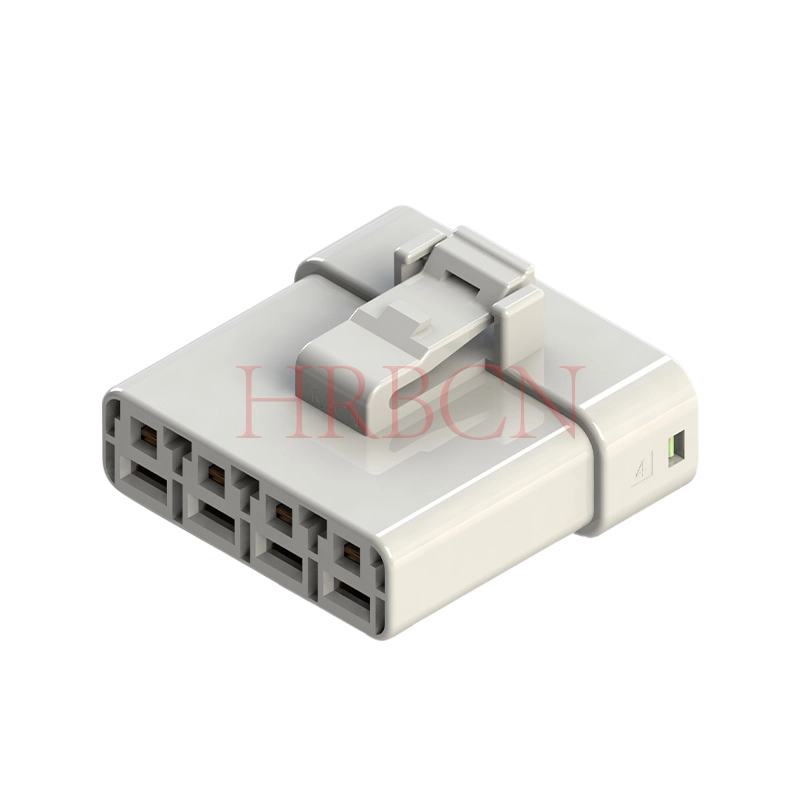
Are all waterproof connectors truly waterproof? Many misunderstand the IP67 rating and its limits. IP67 waterproof connectors protect against dust and temporary water immersion. In this post, you’ll learn what IP67 means, where to use these connectors, and how to avoid common mistakes.
Understanding the IP67 Rating and Its Limitations
IP67 is a common rating for waterproof connectors, but it’s important to know exactly what it means and where it applies. The "IP" stands for Ingress Protection, followed by two numbers. The first digit indicates protection against solids like dust, and the second digit shows protection against liquids like water.What protection IP67 provides against dust and water
The "6" means the connector is completely dust-tight. No dust particles can enter and cause damage.
The "7" means the connector can handle temporary immersion in water up to 1 meter deep for 30 minutes without water entering.
This makes IP67 connectors great for outdoor use where dust and occasional rain or splashes occur. They keep internal components safe during short water exposure but aren't designed for constant underwater use.Differences between IP67 and other ratings like IP68IP68 connectors offer a higher level of protection against water. They can withstand continuous immersion beyond 1 meter depth, often customized to specific depths and durations. This makes IP68 suitable for underwater or highly wet environments.In contrast, IP67 is more limited, focusing on short-term water exposure. Choosing IP67 when continuous immersion is expected can lead to connector failure.Situations where IP67 connectors are appropriate or insufficientUse IP67 connectors when:
Equipment faces dust and occasional water splashes or rain.
Temporary immersion might occur during cleaning or short flooding.
Applications include outdoor lighting, communication devices, or energy storage systems exposed to weather.
Avoid IP67 connectors when:
Devices require continuous underwater operation.
High-pressure water jets or extended immersion happen.
Applications demand long-term exposure to wet environments, such as underwater sensors or marine equipment.
In these cases, IP68 or higher-rated connectors are necessary.
Note: Always match the IP rating to the actual environmental conditions to avoid premature connector failure and costly repairs.
Common Mistakes When Choosing IP67 Waterproof Connectors
Assuming any waterproof connector suits all environments
One of the biggest mistakes is thinking all waterproof connectors are the same. IP67 connectors protect against dust and temporary water immersion, but they aren’t designed for every harsh environment. For example, if your project involves continuous water exposure or high-pressure jets, IP67 won’t hold up. Using it in such conditions leads to failure, costly repairs, and downtime. Always match the connector’s rating to the actual environment.
Ignoring environmental factors such as temperature and UV exposure
Many overlook how temperature swings and UV radiation affect connector materials. Outdoor environments often have extreme heat, cold, or strong sunlight. These can degrade seals, plastics, and metals over time, causing cracks or loss of waterproofing. Choosing connectors without considering these factors risks early failure. Look for materials rated for your climate and UV resistance to ensure long-lasting performance.
Selecting connectors without considering continuous immersion needs
IP67 connectors handle short-term immersion but fail under continuous water exposure. Some applications, like underwater sensors or marine devices, need connectors that withstand long-term submersion. Using IP67 here causes water ingress and damage. If your project requires continuous immersion, opt for IP68 or higher-rated connectors designed for such conditions.
Tip: Always evaluate the specific environmental conditions and immersion duration before selecting an IP67 connector to avoid premature failures and extra costs.
Impact of Improper Installation on IP67 Waterproof Connectors
Proper installation plays a crucial role in ensuring IP67 waterproof connectors perform as expected. Even the best-rated connector can fail if assembly isn’t done correctly. Here are key ways improper installation affects waterproof performance:
How incorrect assembly compromises waterproof performance
Waterproof connectors rely on precise assembly to maintain their seal. If parts aren’t aligned properly or tightened to specifications, gaps can form. These gaps allow dust, moisture, or water to enter, defeating the IP67 protection. For example, overtightening can deform seals, while undertightening leaves openings. Also, mixing incompatible components or damaged seals during assembly leads to leaks. Such faults often cause early failures and system downtime.
Importance of proper cable termination and sealing
The cable termination process is equally important. If the cable is not stripped correctly or the sealing components are missing or misapplied, water can penetrate along the cable entry point. Proper use of gaskets, O-rings, and sealing compounds ensures a tight barrier. Additionally, cables must be clamped securely to prevent movement that stresses seals. Without careful termination, water ingress risks increase significantly.
Role of trained personnel in ensuring reliable installation
Installation demands skilled personnel familiar with the connector design and manufacturer guidelines. Trained technicians understand the torque requirements, sequence of assembly, and inspection points. They avoid common pitfalls like cross-threading or using wrong tools. Training also covers environmental considerations during installation, such as avoiding contamination or damage to seals. Investing in skilled labor reduces installation errors and extends connector life.
Tip: Always use trained technicians and follow manufacturer instructions closely to maintain IP67 waterproof integrity during installation.
Environmental and Mechanical Factors Affecting Connector Performance
Effects of temperature variations and UV radiation on materials
Outdoor environments often expose connectors to wide temperature swings—from freezing cold to intense heat. These fluctuations cause materials to expand and contract, which can stress seals and housing. Over time, repeated cycles may cause cracks or warping, breaking the waterproof barrier. UV radiation from sunlight also degrades plastics and rubber parts. It can cause brittleness, discoloration, and loss of elasticity in seals and gaskets. Connectors not designed for UV resistance may fail prematurely, letting water and dust in.
Mechanical stresses and their impact on connector durability
Connectors face mechanical stresses like vibration, shock, and bending. These forces can loosen connections or damage seals. For example, cables pulled or twisted repeatedly put strain on connector joints and sealing surfaces. Dropping or impact can crack housings or deform sealing rings. Even small mechanical damage compromises waterproofing and electrical performance. Environments such as industrial machinery, transportation, or outdoor installations often expose connectors to these stresses, requiring rugged designs.
Choosing connectors with materials suited for harsh environments
Selecting the right materials is key to long-term reliability. Metals like stainless steel or aluminum resist corrosion and mechanical damage. High-grade plastics such as polycarbonate or nylon offer UV resistance and impact toughness. Elastomer seals made from silicone or fluorosilicone maintain flexibility over temperature extremes and resist chemical exposure. Some connectors use special coatings to improve weather resistance. Always verify material specs against your environment’s temperature range, UV exposure, and mechanical demands.
Tip: Choose connectors made from UV-resistant plastics and durable elastomers to ensure waterproof performance under harsh environmental and mechanical conditions.
Industry-Specific Requirements for IP67 Waterproof Connectors
Requirements in outdoor lighting systems
Outdoor lighting systems demand connectors that maintain reliable power delivery despite exposure to rain, dust, and temperature changes. IP67 connectors are often chosen because they provide solid protection against dust and can handle brief water immersion, such as heavy rain or cleaning. However, these connectors must also resist UV radiation and temperature swings common outdoors, which can degrade seals and housings over time.Connectors in lighting systems should also support ease of installation and replacement. Quick-connect designs with secure locking mechanisms help reduce downtime during maintenance. Additionally, connectors must ensure stable electrical contact to avoid flickering or outages caused by corrosion or moisture intrusion.
Considerations for solar and energy storage applications
Solar panels and energy storage systems operate in harsh outdoor environments, often exposed to dust, moisture, and extreme temperatures. IP67 connectors are widely used here due to their dust-tight and temporary water immersion capabilities. Still, these applications require connectors capable of handling higher currents and voltage levels safely.Besides waterproofing, connectors must resist corrosion from UV exposure and environmental chemicals. Materials like UV-stabilized plastics and corrosion-resistant metals improve longevity. Proper sealing around cable entry points is critical to prevent moisture ingress, which can cause electrical shorts or power loss.In energy storage setups, connectors also face mechanical stresses from vibration or thermal expansion. Choosing connectors with robust construction and flexible seals helps maintain performance over years. Some projects may require customized connector solutions to meet specific electrical or environmental demands.
Maintaining signal integrity in data communication systems
Data communication systems rely on connectors that protect signals from interference and environmental damage. IP67-rated RJ45 or fiber optic connectors are common in outdoor networking, industrial automation, and transportation sectors. These connectors protect against dust and water exposure while preserving signal quality.Maintaining signal integrity means connectors must have precise contact alignment and shielding against electromagnetic interference. Waterproof seals prevent moisture from causing corrosion or short circuits, which degrade data transmission. However, over-specifying IP ratings without need can increase costs and complicate installation.For outdoor data systems, connectors should balance waterproofing with electrical performance. They must also allow easy installation and maintenance, often requiring tool-less or quick-lock designs. Proper cable management and strain relief further protect connections from mechanical stress.
Tip: Match connector specifications to your industry's unique environmental and electrical needs to ensure reliable, long-lasting performance.
Balancing IP Rating with Application Needs and Costs
Choosing the right IP rating for waterproof connectors means balancing protection, application demands, and budget. Over-specifying IP ratings can lead to unnecessary costs and complexity without real benefits.
Avoiding unnecessary costs by not over-specifying IP ratings
Many assume higher IP ratings always mean better protection. While IP68 or above offers extended water resistance, it often comes at a premium price. If your application only faces occasional splashes or brief immersion, IP67 suffices. Spending more on IP68 connectors when IP67 meets needs wastes money and complicates installation. Evaluate actual conditions carefully before opting for higher IP ratings.
Evaluating electrical and environmental requirements holistically
Connector selection must consider more than just IP ratings. Electrical specs like voltage, current, and signal type affect connector choice. Environmental factors such as temperature range, UV exposure, and mechanical stresses also matter. For example, a connector rated IP67 but made from materials not suited for extreme heat or UV will fail early. Assess all requirements together to ensure the connector fits the full scope of use.
Optimizing connector selection for practical use cases
Focus on connectors designed for your specific environment and application demands. For instance, outdoor lighting may need IP67 connectors that resist UV and temperature swings, while underwater sensors require IP68 or above. Data communication systems benefit from connectors that maintain signal integrity alongside waterproofing. Use manufacturer specs and field data to pick connectors balancing protection, durability, and cost.
Tip: Match IP ratings to real-world conditions and application needs to avoid spending on over-engineered connectors that add cost without improving reliability.
Best Practices for Selecting and Using IP67 Waterproof Connectors
Assessing the actual environmental exposure and usage conditions
Before choosing an IP67 connector, carefully evaluate where and how it will be used. Consider factors like:
Exposure to dust, rain, or temporary water immersion
Temperature ranges and UV radiation levels
Mechanical stresses such as vibration or impact
Duration of water exposure—temporary or continuous immersion
Understanding these details helps ensure the connector’s IP67 rating matches real-world conditions. For example, if the device faces only occasional rain and dust, IP67 is a good fit. But if it will be underwater for long periods, a higher rating like IP68 is needed.
Ensuring proper installation and maintenance protocols
Even the best IP67 connector fails if installed incorrectly. To maintain waterproof integrity:
Follow manufacturer instructions exactly during assembly
Use trained technicians familiar with sealing, cable termination, and torque specs
Confirm all seals, gaskets, and O-rings are in place and undamaged
Secure cables firmly to avoid strain on seals
Inspect connectors regularly for wear, cracks, or seal damage
Perform routine maintenance to replace worn parts and reseal as needed
Proper installation and ongoing care prevent leaks and extend connector lifespan.
Considering customized solutions for specific project requirements
Standard IP67 connectors suit many uses, but some projects need tailored designs. Customization options include:
Special materials resistant to extreme temperatures or chemicals
Unique shapes or sizes to fit tight spaces or specific equipment
Enhanced sealing methods for higher water pressure or longer immersion
Additional shielding for signal integrity in data applications
Integrated locking mechanisms for vibration-prone environments
Working with manufacturers to develop custom connectors ensures optimal performance and reliability for challenging conditions.
Tip: Always match connector selection and installation practices to your project's unique environmental and operational needs to maximize IP67 connector reliability and lifespan.
Conclusion
Common mistakes when choosing IP67 waterproof connectors include assuming all are the same and ignoring environmental factors. Understanding IP ratings and proper installation is vital to avoid failures. Selecting the right connector ensures reliable performance in specific conditions. As waterproof connector technology advances, matching products to applications will become easier. Shenzhen Haiyuncheng Electronic Co.,Ltd. offers high-quality IP67 connectors designed for durability and optimal protection, providing excellent value and service for diverse needs.
FAQ
Q: What does the IP67 rating mean for waterproof connectors?
A: IP67 waterproof connectors are dust-tight and can withstand temporary immersion in water up to 1 meter for 30 minutes, making them suitable for outdoor use with occasional splashes.
Q: Why might IP67 waterproof connectors fail in continuous immersion applications?
A: IP67 connectors are designed for short-term water exposure; continuous immersion can lead to water ingress and damage. For such cases, IP68 or higher-rated connectors are recommended.
Q: How do environmental factors affect IP67 waterproof connectors?
A: Temperature extremes and UV radiation can degrade seals and materials in IP67 waterproof connectors, causing cracks or loss of waterproofing, so materials must be chosen accordingly.
Q: Are IP67 waterproof connectors more expensive than higher-rated options?
A: IP67 connectors generally cost less than IP68 connectors, which offer higher water resistance. Choosing IP67 when appropriate avoids unnecessary expenses.
Q: How can improper installation impact IP67 waterproof connectors?
A: Incorrect assembly or cable termination can compromise seals in IP67 waterproof connectors, allowing moisture ingress and leading to premature failure. Proper installation by trained personnel is essential.


